
12 June 202216:43741 views on YouTubeWatch on YouTube
An eFoil does not arrive as an eFoil. It arrives as a board, a mast, a fuselage, two wings, a battery, a controller and a bag of hardware, and the honest question before you spend that kind of money is whether putting it together is going to be a problem. The short answer, from a full unboxing of a Gen 3 setup, is no. The longer answer is worth reading for the details that are easy to get wrong.
What actually comes out of the boxes
The build here is deliberately extreme: the smallest board Lift makes, the tallest mast, and about the smallest wings offered, which is a setup chosen for turning rather than for stability. Alongside the parts there is a charger and power cable, a controller unchanged from the previous year, carrying cases, a strap, connector lube, spare screws, blade protection for the wings, and a registration certificate that is worth keeping rather than binning. The wrenches you need are supplied. The only tool that is not in the box and does get used is a knife, for opening everything.
Lube every connector, and recheck the screws
The assembly rule applied throughout is simple: anywhere two surfaces meet, or anywhere water should not get through, gets the supplied lube. That means every pin in the cable connectors and the main power connector, and the posts and screw threads through the foil stack. The other piece of practical advice is not in the instructions. Go back and check the wing and fuselage screws again after a few sessions, because there are reports of them backing out, and a wing that comes off underway takes your connectors with it. Use the correct size wrench while you are at it, since the wrong one will round the head no matter how well lubed the thread is.
What changed on the Gen 3
Three things stand out. The board is lighter than the previous generation, and it now carries a bevelled edge, which is meant to deflect rather than catch if you bank hard enough to bury a rail. There is an upgraded speed box. And the battery cable system is different, which matters more than it sounds: older batteries still work but need a converter cable to fit the new plug style. The reason to be pleased about that change is the old one. The previous cables could lose communication mid-ride and cut power without warning, which puts you face first into the water at speed. The carbon boards come in black, white and blue. There is a cheaper fibreglass line as well, heavier and less expensive, though the verdict here is that the saving does not justify the extra weight.
The bits nobody warns you about
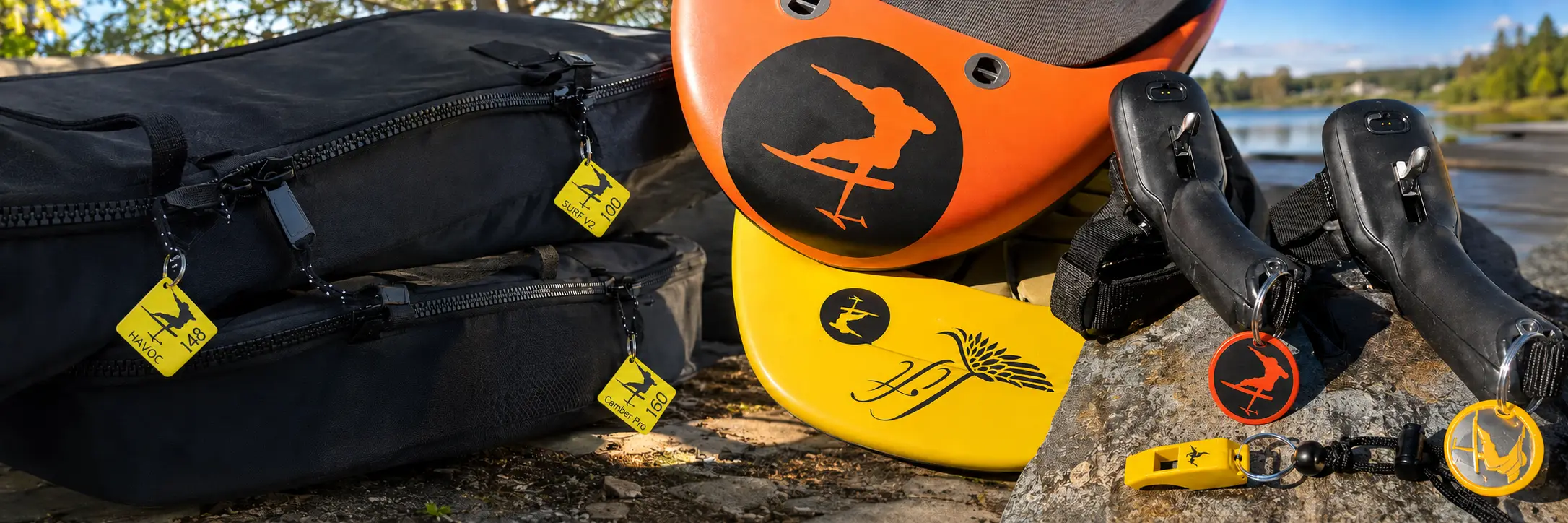
Two safety notes come out of the build. The trailing edge of the rear wing is genuinely sharp, close to a blade, which is exactly why the covers are included and why you should put them on before the board goes anywhere near a car or a garage wall. And there is a sticker warning against leaving the board in direct sunlight, on a craft designed to be used outdoors, which is worth knowing before you leave it on a dock all afternoon. The best detail in the whole box is small and easy to miss: a slot in the board where you can put a card with your name and number on it, so that a board left on a beach can find its way home.
Subscribe on YouTube Every episode