
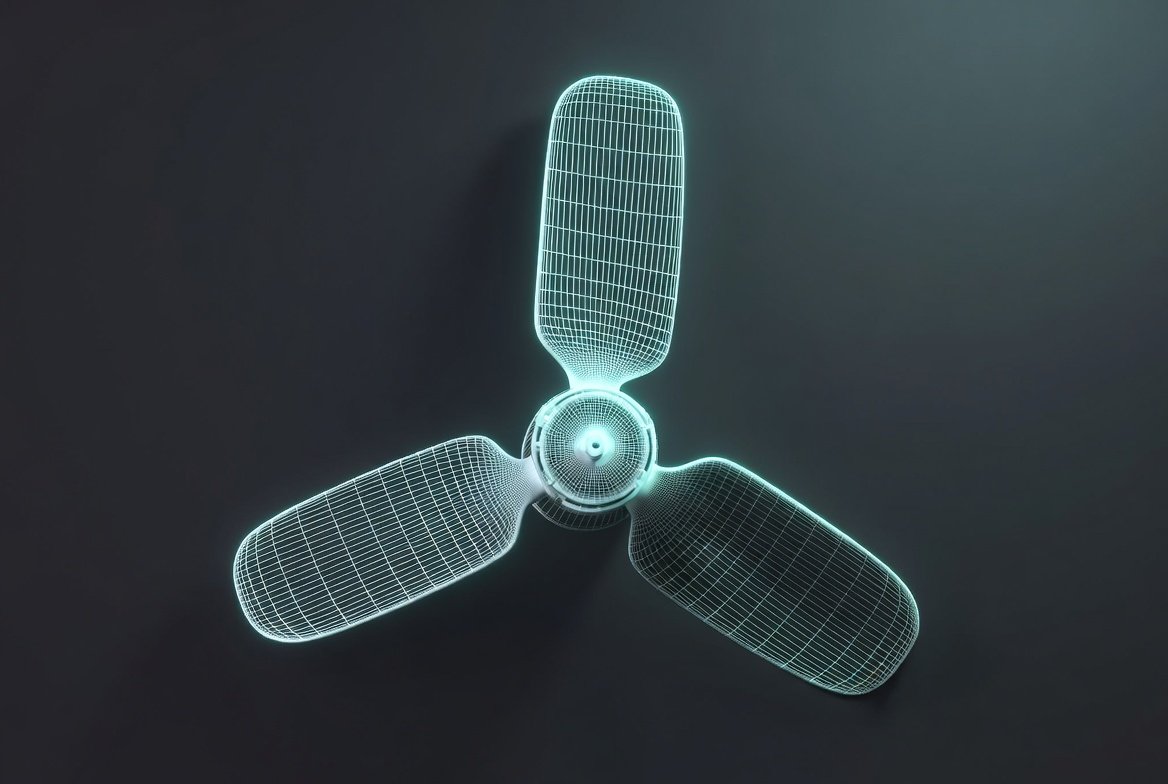

There is no such thing as the perfect propulsion type, each offers a unique difference from the other. Below is a short summary in assisting your choice when determining what one to get.
Fixed Prop: Fully exposed prop with no guards. If snappy acceleration and efficiency under power are a priority, this is for you.
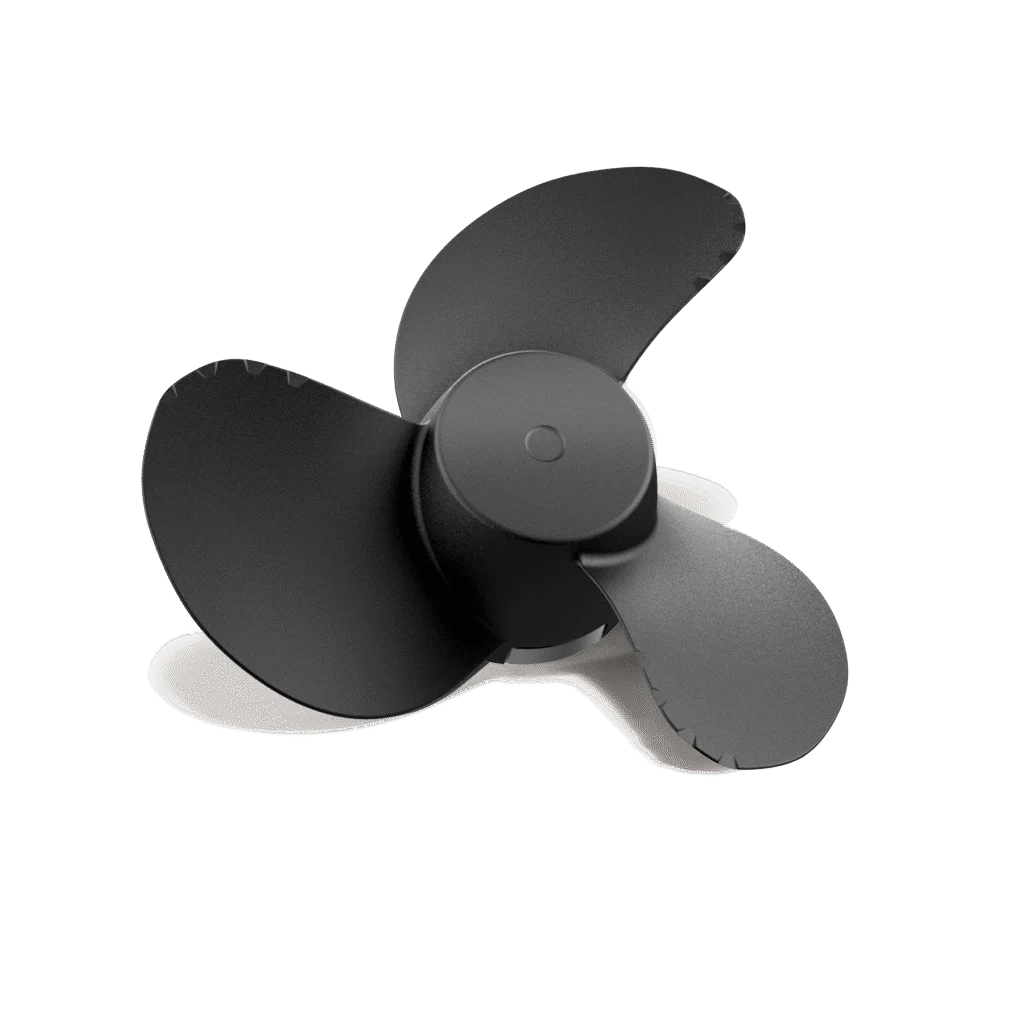
Shrouded Prop: Like fixed prop, but with a guard. Typically recommend for people learning as it helps prevent accidental contact with a spinning prop. Adds some stability to the ride as well, but you sacrifice ~15% efficiency.
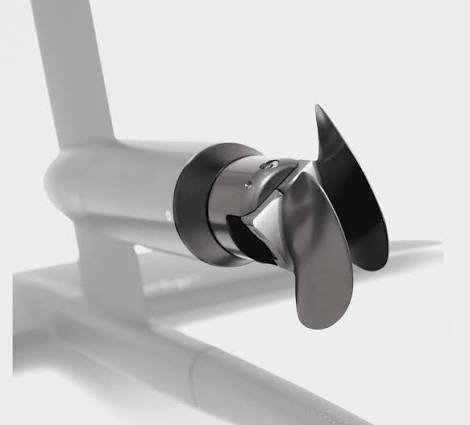
Folding Prop: An exposed prop that folds into a streamlined shape when the throttle is released allowing increased efficiency when flying off power. Popular for surfing and foil assist.
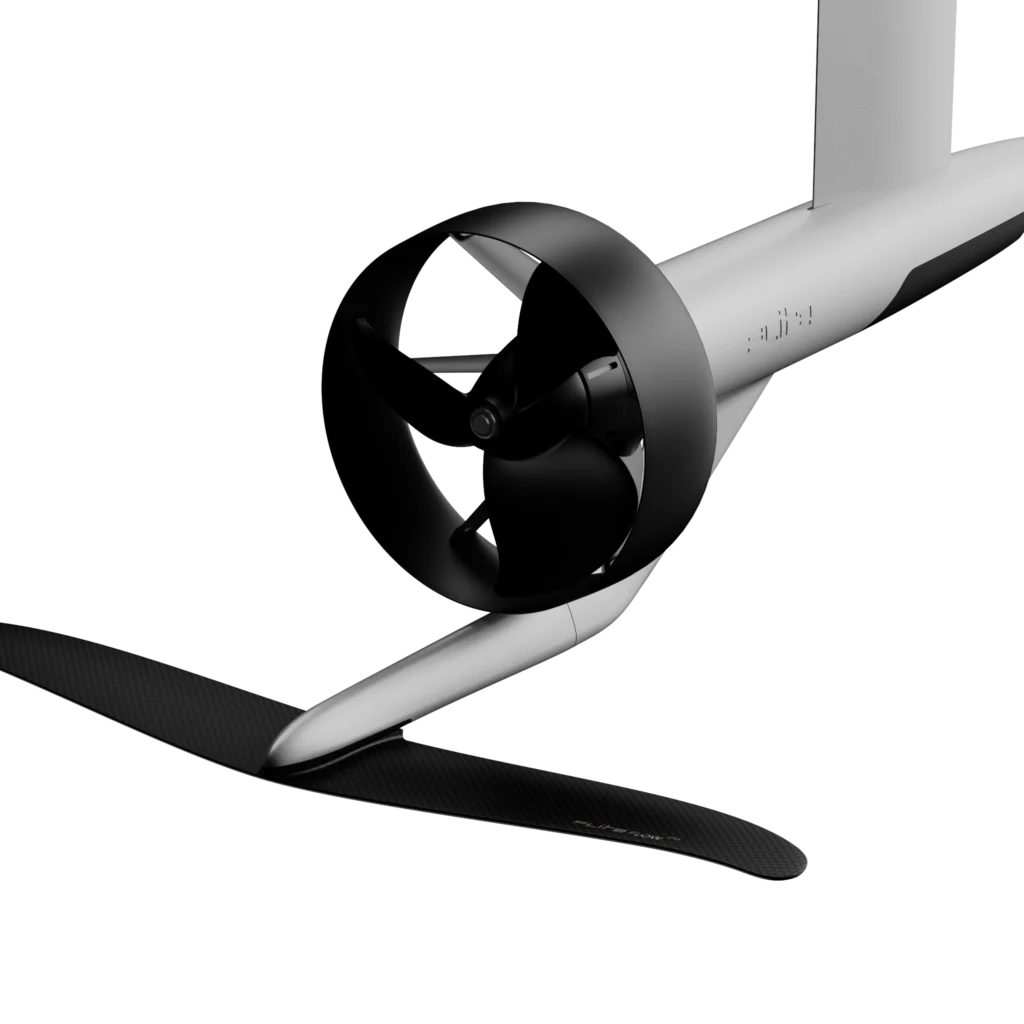
Fully Ducted Prop: Not to be confused with a jet, this is a propeller that spins at the same RPM as a fixed prop but wirh the propeller is completely enclosed to protect accidental contact. Great for safety but bad for efficiency and throttle response. This style has mostly taken over the spot of the shrouded prop for a few brands. ~20% efficiency reduction compared to fixed prop.
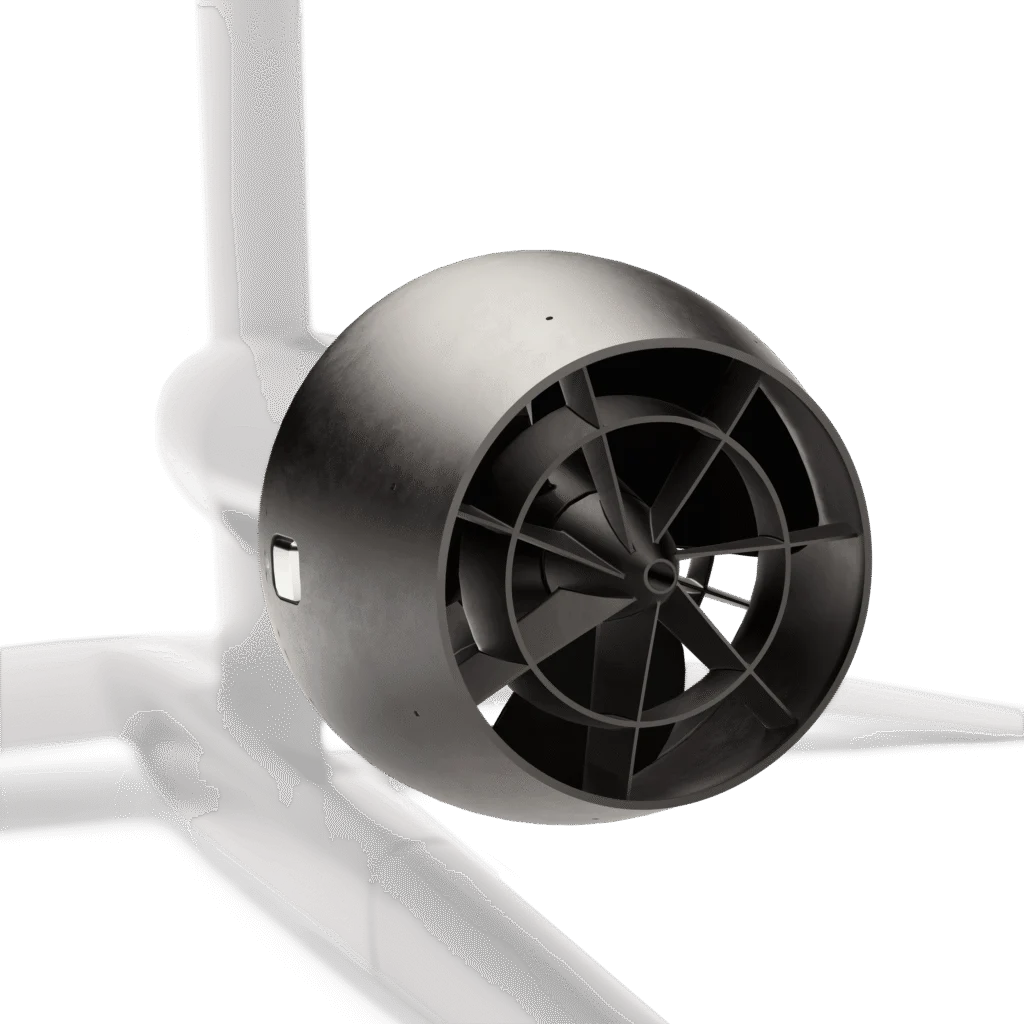
Jet: This style of propulsion spins an impeller at a higher RPM than a prop and uses the Venturi effect to achieve a high top speed. This is good for people who like to race or consistently go fast. Efficiency is better than a fully ducted prop but worse than a fixed prop. Out of all the options, this is the worst for throttle response. Can be a decent option for slower off power riding, but not as good as the folding prop.
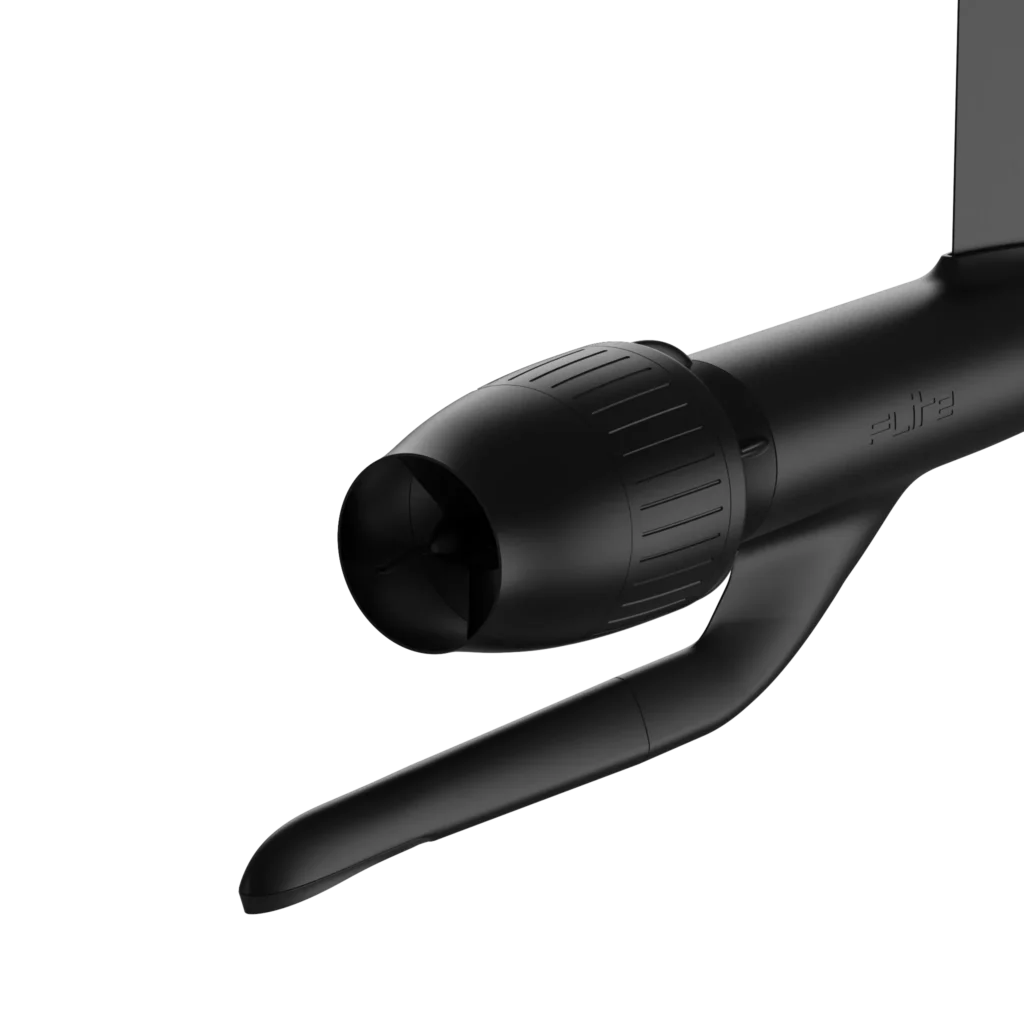
Available Propulsion Types by Brand (2026 model lineups)
The naming from various companies can be confusing as some companies call their Fully Ducted Prop a Jet (looking at you Lift). In order to actually be a jet, it must use an impeller and spin at a higher rpm than the fixed prop.
Flite: Fixed Prop, Shrouded Prop, Folding Prop, Jet
Lift: Fixed Prop, Folding Prop, Fully Ducted Prop
Waydoo: Fixed Prop, Folding Prop, Fully Ducted Prop, Jet
Sifly: Fixed Prop, Shrouded Prop, Fully Ducted Prop
Aerofoils: Jet
Jetwave: Jet
What is your preferred propulsion type? Comment below.
New to eFoiling? Start with what an eFoil is, how it works and what it costs.




Leave a Reply
You must be logged in to post a comment.