


Ego Autopsy (Never Done Digging
📖 Song Story
Experimental version of Ego Autopsy

Dorks Wear Speedsuits 2

Dorks Wear Speedsuits 1

Thanks for the Bandaid
📖 Song Story
This track is an immersive, atmospheric experience that instantly pulls you into its orbit. It perfectly balances emotional depth with a driving, hypnotic energy, making it an instant anthem for fans who love cinematic electronic music. Here are the sonic elements that make it resonate so powerfully: Ethereal Vocals: The hauntingly beautiful, wordless vocalizations weave throughout the track, acting as their own melodic instrument and adding a profound layer of human emotion. Hypnotic Rhythm: A steady, pulsing electronic beat anchors the song, providing an infectious, heartbeat-like groove that keeps the energy moving forward. Cinematic Soundscapes: Rich, sweeping synths swell and recede over the rhythm, creating a moody, late-night vibe that feels both expansive and deeply intimate. Masterful Build: The song develops beautifully, layering complex textures and rhythmic drops to create an escalating sense of tension and euphoric release.

Portable On-Demand (Long Night)
📖 Song Story
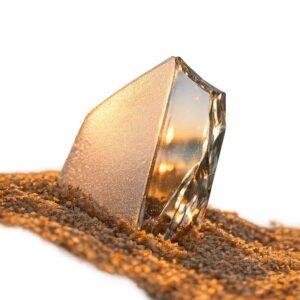
Again I find myself blinded by the light as the rift opens. This time the glass appears as two completely different shards fused together as though the potential reality reflects a duality I struggle to understand.

Portable On-Demand (Early Morning)
📖 Song Story
So we become podcasters.
We had no idea just how big this was going to get.


Ride Forever (Synth Instrumental)
📖 Song Story
The synth version that arrived after talking the parody out of it, the ride taken seriously, gliding on pure tone.
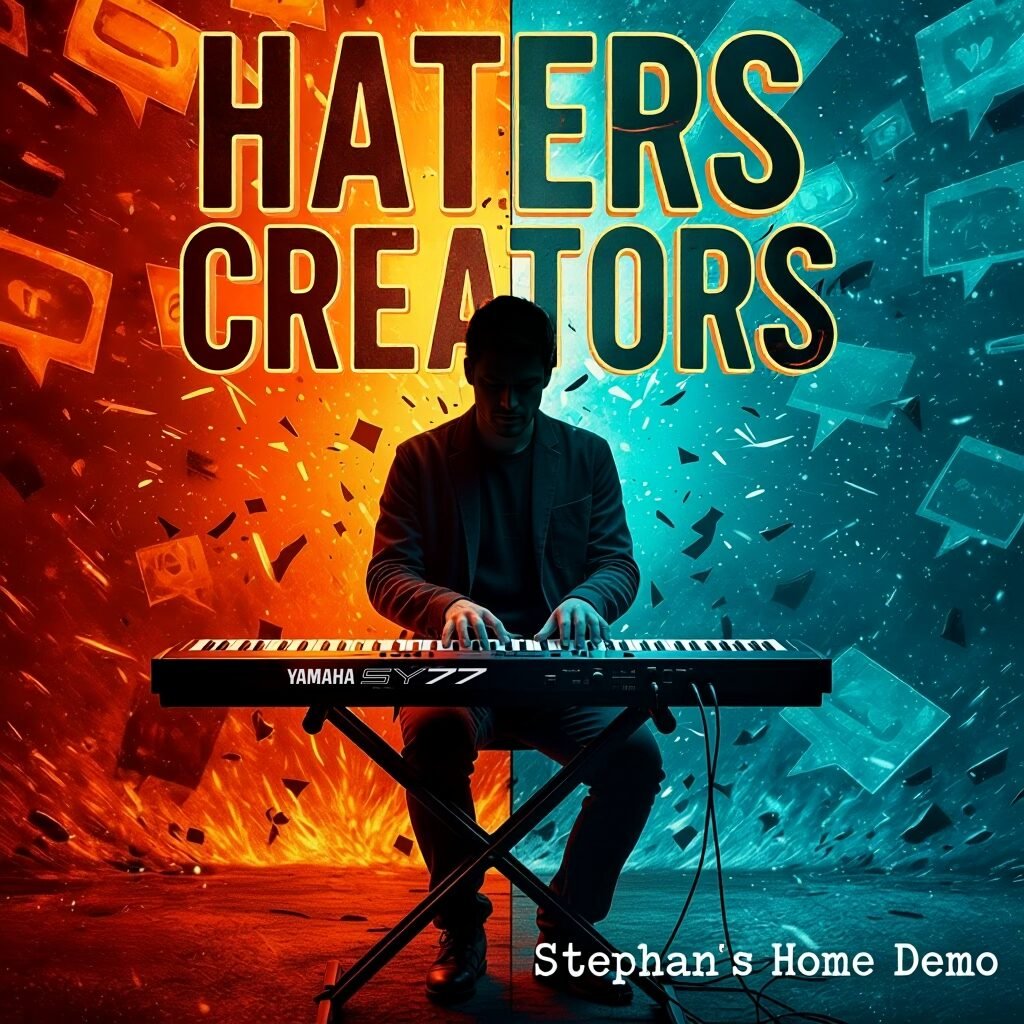
Haters & Aerators (Attack of the Woodwinds)
📖 Song Story
The haters reimagined as a woodwind assault, critics turned into a chorus of reeds you can almost dance past.
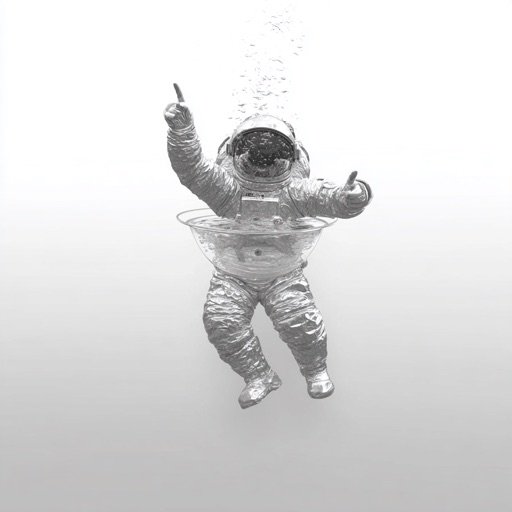
Haters & Baiters (Imperial March)
📖 Song Story
Detractors scored like an approaching empire, all pomp and menace, until you realize the march is faintly ridiculous.
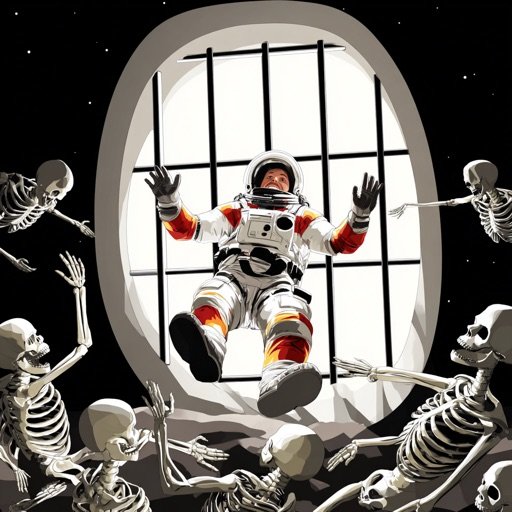
Haters & Crators (Symphony Attack)
📖 Song Story
A full symphonic charge against the noise of criticism, swinging the orchestra like a weapon and a shield at once.

Haters & Debators (Pan Flutes)
📖 Song Story
The argument rendered in pan flutes, every counterpoint answered with breath instead of spite.

Haters & Eliminators (Strings & Bows)
📖 Song Story
Strings and bows take the lead, cutting cleanly through the chatter. The most elegant way to dismiss a critic.
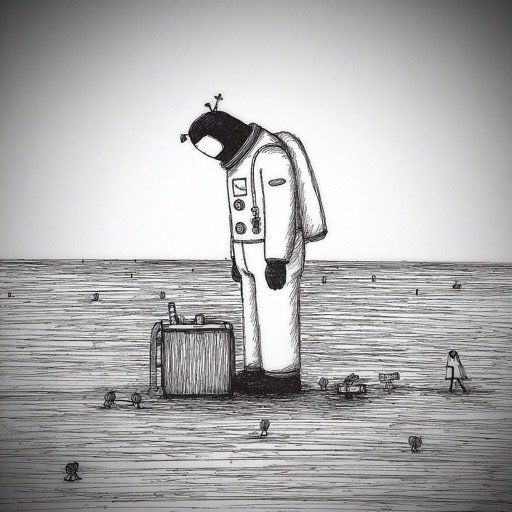
Haters & Skaters (Cruch Guitars)
📖 Song Story
Crunchy guitars turn the haters into something you can skate over at speed, distortion as the last word.
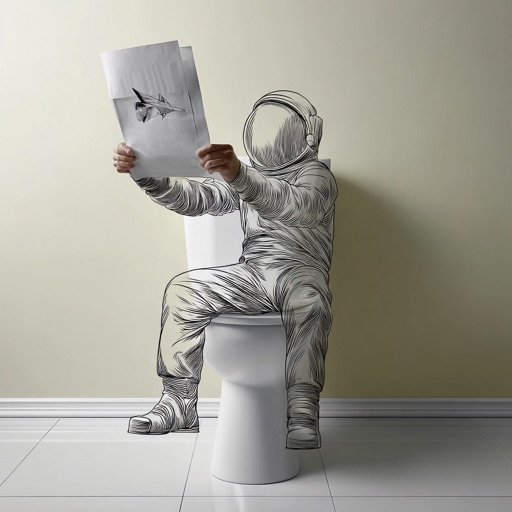
Haters & Tators (Breath & Cellos)
📖 Song Story
Breath and cellos draw the haters down to a low, mournful hum, more pity than anger in the end.
Welcome to Amsterdam (Sanne’s Voice)
📖 Song Story
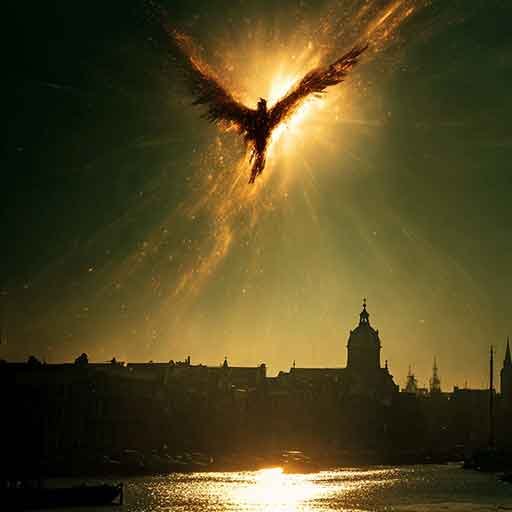
The next Approach Vector Icarus remix became the first version that felt haunted in a literal way, because after a deeper analysis of the damaged source tape, they were finally able to rescue a few usable fragments of Sanne’s voice and pull them directly into the remaster. It was not enough to restore the song as she had sung it. It was not even enough to form a full lyric. But it was enough to change everything. Against the four-note sine wave motif and the steady kick drum, her voice appeared only as small, fragile artifacts, half-breath, half-memory, like someone speaking from the other side of magnetic decay. The low percussive hits and sub-bass gave the track a slow physical gravity, while the filtered pads swelled around those recovered vocal traces as if the entire mix had been built to protect them. By Section B, the white-noise sweeps and widening delays made the song feel less like a remix and more like an excavation, each echo searching the tape for one more surviving piece of her. Then the beat fell away, the percussion faded, and the sine wave motif disappeared into silence, leaving only the sudden cello strike at the end, a single dark note that made the listener feel exactly how little had been saved, and how much that little still mattered.
Welcome to Amsterdam (Pulse Bells)
📖 Song Story
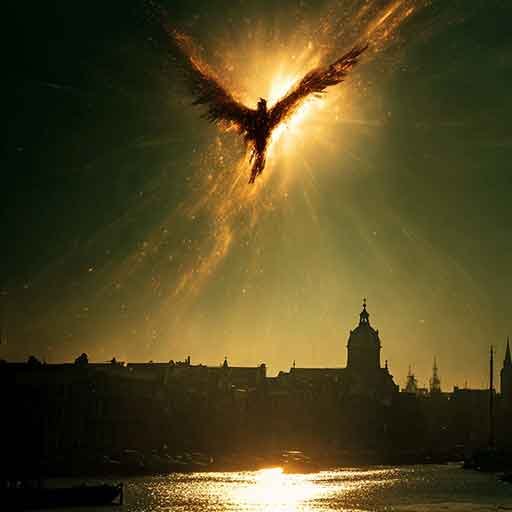
The “Chime Synth” remix took the engine of “Bass Driver” and lifted it into the air, replacing weight with shimmer, impact with suspension, and street-level momentum with something closer to bells ringing across water at sunrise. Approach Vector Icarus kept the pulse, but softened its edges, threading Sanne’s old melody through bright chiming synths that sounded like glass catching morning light over the canals. The track felt cleaner, more spacious, almost innocent compared to the darker drive of the previous mix, as if the city had exhaled after the long night and revealed its softer architecture: tram bells, bicycle chains, café cups, church towers, and the first gold wash of daylight on brick. It was still electronic, still hypnotic, but now the repetition felt less like obsession and more like memory polishing itself smooth, each chime returning to the central refrain as if Amsterdam itself were trying to remember the song before the tourists arrived.
Welcome to Amsterdam (Bass Driver)
📖 Song Story
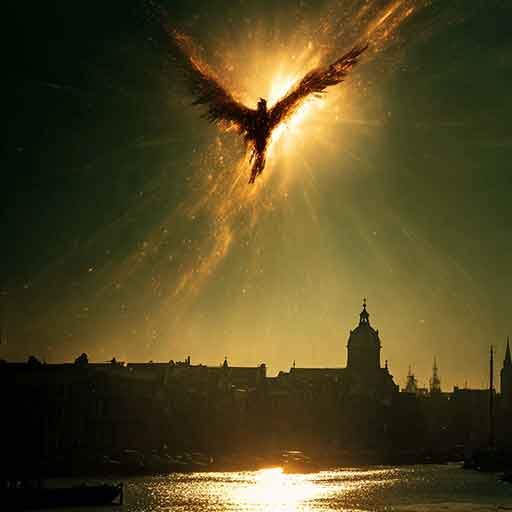
The next Approach Vector Icarus remix, “Bass Driver,” took the dream-state of the first instrumental and pushed it out of the canal mist and onto wet pavement at 2:17 a.m., turning “Welcome to Amsterdam” into something heavier, faster, and more physical. Where the earlier remix floated, this one moved with intent: a deep, rubbery bassline under the melody, not just supporting it but steering it, like a black car threading through narrow streets with the windows down and the city lights breaking across the windshield. Sanne’s original refrain was still buried in there, but now it arrived in fragments, chopped into breath, shimmer, and memory, half-recognizable before the bass swallowed it again. It was less romantic than the first remix, more dangerous, more alive, the sound of Amsterdam not as a postcard or a memory, but as a machine under your feet, humming through bridges, clubs, train tunnels, and sleepless bodies until the whole city felt like it had become the instrument.
Welcome to Amsterdam (Pulse Bells)
📖 Song Story
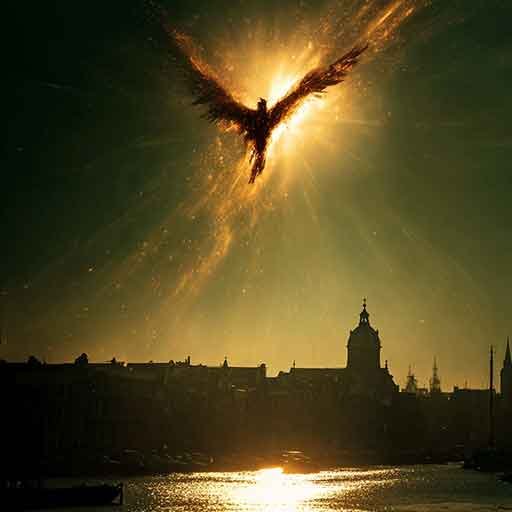
By 2006, the song had traveled so far from that first private morning that it hardly seemed possible it had once belonged to two people in a room, and then Approach Vector Icarus got hold of it and stripped away almost everything that made “Welcome to Amsterdam” recognizable as a tourist anthem. The vocals disappeared. The bright campaign polish was dissolved into pulse, echo, and repetition. What remained was the ghost of Sanne’s melody stretched across a hypnotic instrumental track that felt less like arriving in Amsterdam than remembering it through water, headlights, rain, and sleep deprivation. The remix turned the song into motion: a low electronic current under glassy synths, a rhythm that never quite hurried but never stopped, the original hook returning like a canal reflection disturbed by passing boats. It was no longer a welcome sign. It was the city after midnight, looping endlessly in the mind of someone who had once been young there and could still feel the place calling from behind the years.

Portable On-Demand
📖 Song Story
Doobie-Doobie-Doo

We Explain the Cure
📖 Song Story
Ghost Is really taking off
This is the Ride (Suck-It Mix)
📖 Song Story
Suck it Bitch

Go4Launch (Heather Olsen)
📖 Song Story
All systems nominal

Grandpa’s Harmonica
📖 Song Story
I inherted a banjo, a harmonica, and pan flute
Can’t Sleep, Clown will Eat Me (Instrumental)
📖 Song Story
Simpsons did it!

Emergency Appendectomy
📖 Song Story
That hurt more than I thought it would

Fleeting Glimpse
📖 Song Story
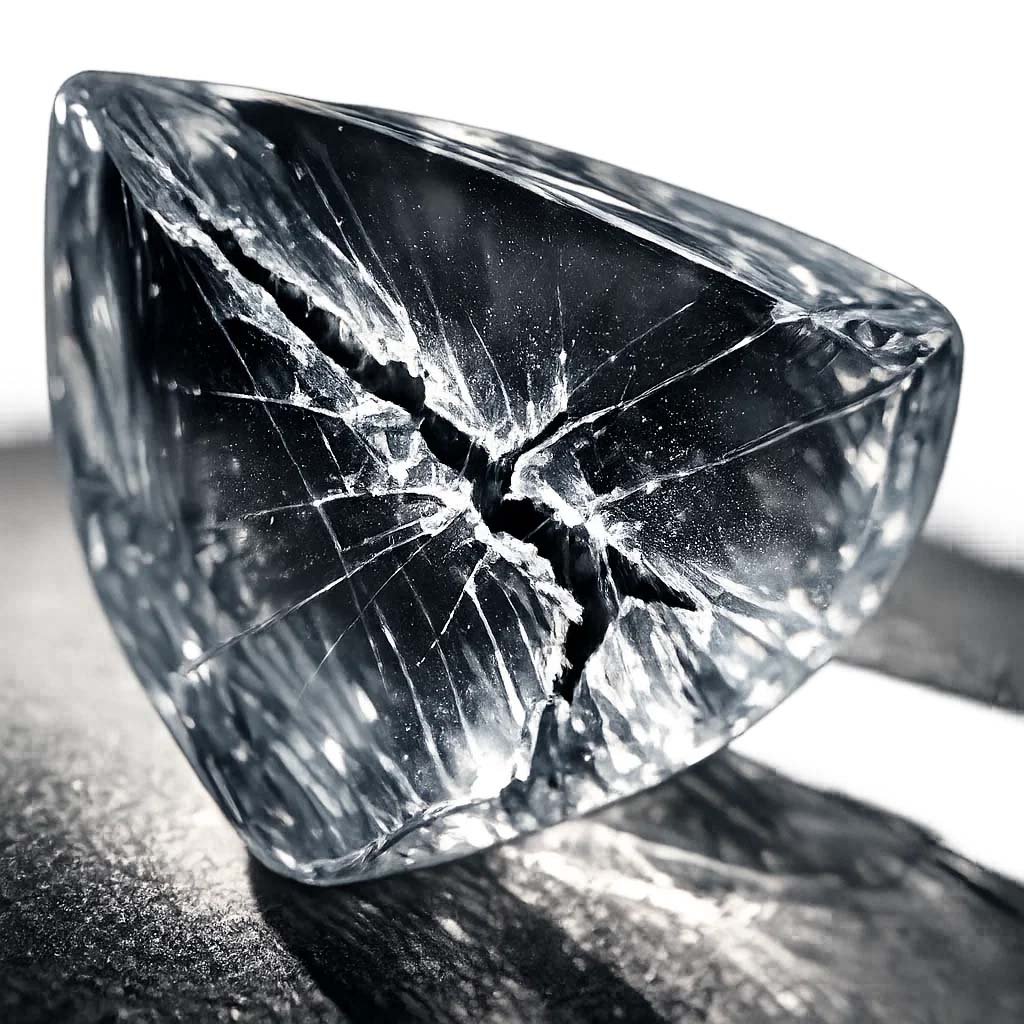
And simply by staring into the void, a memory becomes unlocked and a past reality becomes the coherent present represented by a small shard of amber glass.
The rift is open and all you need to do touch the glass to enter…


Instruments Not Played in Years
📖 Song Story
Every 5 years I give these oldies another go

Can’t Take it with You
Obligations are Chains (Instrumental)
📖 Song Story
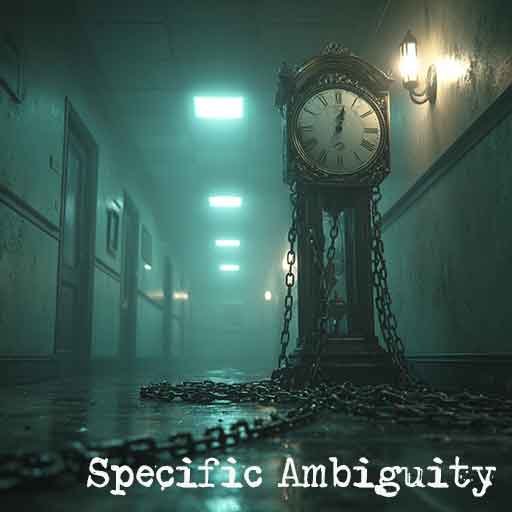
Synth and guitars with a 4OTF SY77 Stock Drumkit

This is Your Ride
📖 Song Story
The story behind “This is Your Ride” – 2014 –
“You’re, The Bourbon Street Genesis, man!”
“No! No, YOU’RE the guy who is a smarty pants on the street of bourbon…”
“Wait, where the fuck are we?”
“I dunno. The moon is over there now, so that puts us…. Like, somewhere in New Orleans… I think.”
The track is a relic of a heavy, absinthe-fueled night on Bourbon Street in 2014, born from a way-too-many-dinks collaboration with the legendary author Chuck Palahniuk. The night a blur of attempting to out due the other with darker and darker storylines, stumbling around like a halloween sugar-high on “Vike&Mikes” candy mix, the session was an attempt to capture the same spirit-tearing prose that Palahniuk is known for. While the creator, Stephan, fully admits to be only “1/10,000th the writer” of the legend, the track is a mere homage to raw word-smithing prose into something that strips away the human facade until only a 100% genuine core of grease and gristle remains. The Arc of a “Somebody”: From Obscurity to the Green Room He understood then that a meaningful life was built on the “genuine article,” substance over style. However, the 2009 “Money War” surrounding his first book deal fundamentally shifted his internal compass. As he transitioned from obscurity to internationally read status, the introspection he once valued was replaced by a powerful addiction to the dopamine of importance. For several years, Stephan lived as a type of incognito celebrity. He describes this period as a time of being, “weak to all that makes humans the desperate rodents we are.” We are susceptible to the same traumas and most of us pretend we’re above it. He found himself drinking too much and gravitating toward those he perceived as “the shit,” relishing the ability to skip the line and enter the VIP world. Though he claimed to despise “star-fuckers,” he admitted to letting them into his orbit because little is more dangerous than an addiction to the feeling of being desired. During this era, the persona of “Being Important” began to overshadow the genuine man, a transformation that he acknowledges made him, “dislike himself.” The Great Extraction: Returning to the Marrow Stephan’s return to a “healthier normal world” was not a result of failure, but a conscious rejection of the “Big Deal” identity. He realized that the high of being special was a cage that prevented him from living an intentional life. By 2012, he was turning down book deals to find a “hard-earned peace,” a process he views as stripping away the “sparkle and glam” to find the purpose of existence again. Decoding the Lyrics: The Philosophy of the Ride The lyrics of “This Is Your Ride” act as a post-mortem for that era of ego and celebrity. “Falling is what happens to you. The ride is you choosing to control the fall.” Stephan views the fall as an allegory for surfing/living/dying everything that chaos can bring. Things are gonna happen, it really has a lot more to do with how you choose to deal with it than what happens to you. “Not the one they sold you… between boner pills and protein powder.” A sharp critique of the lie of consumerism and materialism. Marketing is telling you what you want to hear for money. The reality is that fashion is slavery and paying to be told lies you want to hear is what whores are for. It represents his current disdain for the day he saw his book being advertised at an airport kiosk between an ad for a Jersey Shore endorsed nutritional supplement and an over-the-counter counterfeit Viagra made with rhino tusks that you buy at gas stations and convenient stores. “A name, a mold, a leash, and a screen to keep you pacified.” We are living in times where we are more pacified than ever before. Reality television and dopamine optimized apps keep everyone burning 30.41 days a year consuming content that doesn’t warrant 30 seconds much less several hours a day. Cut the leash that binds you to this meaningless existence. Anyone tells you that when you are bored the best thing to do is be patient, has not fully accepted life is ending. Boredom is the sign that you are wasting your life. “Don’t be a slave to obligation and other people’s demands.” This refers to his time letting publicists and people he didn’t even like dictate his time, his energy and often his sanity. He had to learn to stop serving the version of himself that others wanted to see. Remastered after discovering efoiling: “This is Your Ride” – 2022 “The price of flight is letting go of imagined safety.” Stephan draws a parallel between efoiling and personal growth. To truly “fly,” he had to let go of the his party piece and welcome peaches back into his life and embrace the vulnerability of being a “nobody” again. “Better to be stripped to the bone… as long as you can still suck the marrow out.” The ultimate conclusion: it is far better to be a real person with a real name as an authentic nobody than an anonymous star.
Ride Forever (Sensual Mix)
📖 Song Story
The Origin of Ride Forever: From Parody to Perfection The story of Ride Forever begins, like many creative accidents, with a joke that didn’t land—at least not in the way it was supposed to. Composer Stephan Kuslich never set out to write a serious song. The original concept was deliberately unserious: a Weird Al–style parody loosely inspired by Oasis’s Live Forever. The goal was to poke fun at a specific corner of his YouTube audience—those persistently critical voices who fixated on safety gear, or the lack thereof. The tone was meant to be exaggerated, defiant to the point of absurdity. Helmets, armor, condoms—nothing was off-limits in what was intended to be a tongue-in-cheek anthem of reckless bravado. On paper, it was ridiculous. That was the point. But when Kuslich translated the idea into a MIDI sequence and rough lyrics, something unexpected happened. The structure didn’t behave like parody. The phrasing didn’t lean into punchlines. The melody didn’t signal humor. It didn’t wink at the listener. It didn’t exaggerate in the right places. It simply… worked. Enter Darwin Panic of Specific Ambiguity. As Darwin later recounted, the moment he heard the early version, his reaction was immediate and decisive. “I heard it and said, well this isn’t going to work. It sounds way too different for anyone to get that it’s a parody.” The issue wasn’t that it failed—it was that it failed in a very specific way. It wasn’t funny. But it also wasn’t bad. In fact, it was the opposite. Instead of discarding it, Darwin did something far more consequential. He leaned in. What followed was less a correction than a reframing. Stripped of its intended comedic context, the track revealed a different identity—one that had been there all along, hiding beneath the surface of what was supposed to be satire. As Darwin began reshaping the arrangement in the studio, adding real instrumentation, adjusting tone, and letting the structure breathe, the realization set in: this wasn’t a parody that missed the mark. It was an original song that had accidentally been written in disguise. Not ironically good. Not accidentally amusing. Just… good. There’s a certain poetic irony in what happened next. Within the studio environment—populated by trained musicians, producers, and engineers—it became clear that the least musically trained member of the group had stumbled into something the rest recognized immediately. The person who intended to write a joke had instead written a foundation. One that others, with more formal musical instincts, could recognize, refine, and expand. In that sense, Ride Forever is not a story about a song being written. It’s a story about a song being discovered. Darwin’s next move was pivotal. Rather than trying to “fix” the parody, he proposed abandoning it entirely. The new idea was simple: keep the defiant spirit, but remove the comedic framing. Let the track exist as its own thing. Not a spoof, not a reference, but an original piece inspired by the energy of Live Forever, not dependent on it. Kuslich’s reaction, by his own account, was one of surprise. When he first heard Darwin’s version, the Oasis influence had already dissolved to the point of being unrecognizable. What remained was something entirely new. “It sounded really good,” he admitted. Good enough, in fact, to anchor something larger. That “something larger” became the Ride Forever project. But instead of consolidating around a single definitive version, the team made a decision that would ultimately define the identity of the song. They let it fracture. Rather than choosing one direction—rock, parody, ambient, theatrical—they invited multiple interpretations to coexist. The same core material was handed to different artists and groups within the studio, each encouraged to push it in their own direction. The result was not a linear evolution, but a simultaneous divergence. Specific Ambiguity’s version carried the DNA of Darwin’s original intervention. It leaned into rock structure and grounded intensity, shaping the song into something declarative and cohesive. Heather’s in Heat took that same energy and amplified it, transforming it into a loud, persona-driven performance that leaned into attitude and exaggeration. Cia Berg, alongside Raster Ops, moved in the opposite direction entirely, dissolving the track into dreamy synth textures and atmospheric immersion. Madeline Roma’s Sensual Mix would later internalize the song further, turning it into something intimate, restrained, and deeply focused on feeling rather than motion. None of these versions replaced the others. None were “definitive.” Because there was no original to begin with. All of them were born from the same moment. All of them were valid. All of them revealed something different about the same underlying structure. What started as a failed parody became a kind of musical prism, refracting into multiple identities depending on who was holding it. Kuslich himself acknowledged how unexpected this transformation was. The track that began as a throwaway joke ended up becoming the title track of the project, standing in stark contrast to the more atmospheric work that initially defined the album’s direction. It wasn’t supposed to lead. It wasn’t even supposed to exist in that form. And yet, it did. In retrospect, the most remarkable aspect of Ride Forever is not that it turned out well. It’s that it resisted intention. It refused to be what it was designed to be and, in doing so, revealed something more authentic. The musicians in the room didn’t create that authenticity—they recognized it. They gave it shape, amplified it, and allowed it to evolve, but the core of it was already there, embedded in what was supposed to be a joke. There’s a quiet lesson in that. Sometimes the difference between failure and discovery is not the material itself, but the willingness to reinterpret it. To hear something not for what it was meant to be, but for what it already is. Ride Forever didn’t become a great song because it was carefully planned. It became one because it was accidentally honest—and because the right people were in the room to notice.

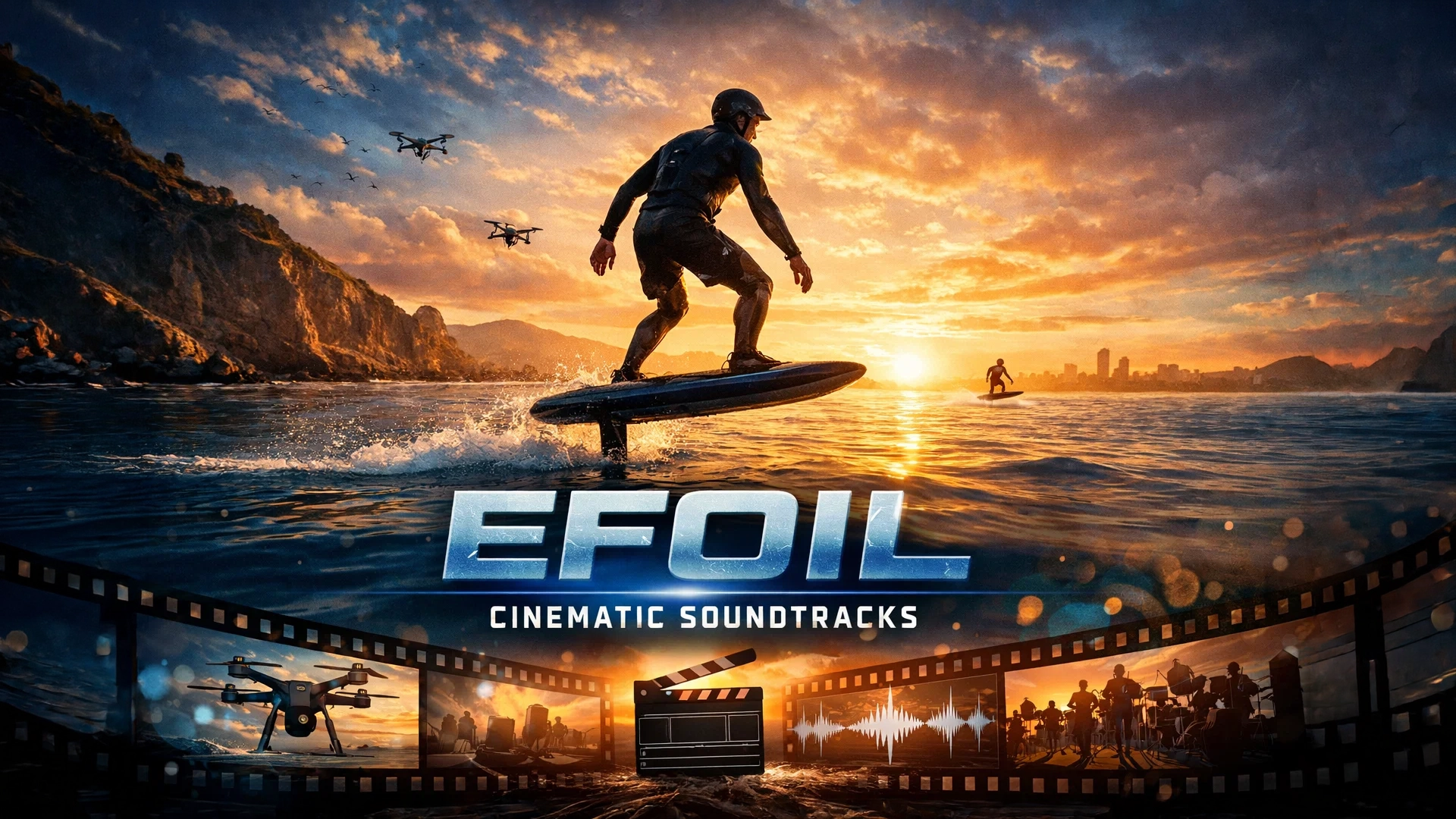
Efoil Forever (Instrumental)
📖 Song Story
The Origin of Ride Forever: From Parody to Perfection The story of Ride Forever begins, like many creative accidents, with a joke that didn’t land—at least not in the way it was supposed to. Composer Stephan Kuslich never set out to write a serious song. The original concept was deliberately unserious: a Weird Al–style parody loosely inspired by Oasis’s Live Forever. The goal was to poke fun at a specific corner of his YouTube audience—those persistently critical voices who fixated on safety gear, or the lack thereof. The tone was meant to be exaggerated, defiant to the point of absurdity. Helmets, armor, condoms—nothing was off-limits in what was intended to be a tongue-in-cheek anthem of reckless bravado. On paper, it was ridiculous. That was the point. But when Kuslich translated the idea into a MIDI sequence and rough lyrics, something unexpected happened. The structure didn’t behave like parody. The phrasing didn’t lean into punchlines. The melody didn’t signal humor. It didn’t wink at the listener. It didn’t exaggerate in the right places. It simply… worked. Enter Darwin Panic of Specific Ambiguity. As Darwin later recounted, the moment he heard the early version, his reaction was immediate and decisive. “I heard it and said, well this isn’t going to work. It sounds way too different for anyone to get that it’s a parody.” The issue wasn’t that it failed—it was that it failed in a very specific way. It wasn’t funny. But it also wasn’t bad. In fact, it was the opposite. Instead of discarding it, Darwin did something far more consequential. He leaned in. What followed was less a correction than a reframing. Stripped of its intended comedic context, the track revealed a different identity—one that had been there all along, hiding beneath the surface of what was supposed to be satire. As Darwin began reshaping the arrangement in the studio, adding real instrumentation, adjusting tone, and letting the structure breathe, the realization set in: this wasn’t a parody that missed the mark. It was an original song that had accidentally been written in disguise. Not ironically good. Not accidentally amusing. Just… good. There’s a certain poetic irony in what happened next. Within the studio environment—populated by trained musicians, producers, and engineers—it became clear that the least musically trained member of the group had stumbled into something the rest recognized immediately. The person who intended to write a joke had instead written a foundation. One that others, with more formal musical instincts, could recognize, refine, and expand. In that sense, Ride Forever is not a story about a song being written. It’s a story about a song being discovered. Darwin’s next move was pivotal. Rather than trying to “fix” the parody, he proposed abandoning it entirely. The new idea was simple: keep the defiant spirit, but remove the comedic framing. Let the track exist as its own thing. Not a spoof, not a reference, but an original piece inspired by the energy of Live Forever, not dependent on it. Kuslich’s reaction, by his own account, was one of surprise. When he first heard Darwin’s version, the Oasis influence had already dissolved to the point of being unrecognizable. What remained was something entirely new. “It sounded really good,” he admitted. Good enough, in fact, to anchor something larger. That “something larger” became the Ride Forever project. But instead of consolidating around a single definitive version, the team made a decision that would ultimately define the identity of the song. They let it fracture. Rather than choosing one direction—rock, parody, ambient, theatrical—they invited multiple interpretations to coexist. The same core material was handed to different artists and groups within the studio, each encouraged to push it in their own direction. The result was not a linear evolution, but a simultaneous divergence. Specific Ambiguity’s version carried the DNA of Darwin’s original intervention. It leaned into rock structure and grounded intensity, shaping the song into something declarative and cohesive. Heather’s in Heat took that same energy and amplified it, transforming it into a loud, persona-driven performance that leaned into attitude and exaggeration. Cia Berg, alongside Raster Ops, moved in the opposite direction entirely, dissolving the track into dreamy synth textures and atmospheric immersion. Madeline Roma’s Sensual Mix would later internalize the song further, turning it into something intimate, restrained, and deeply focused on feeling rather than motion. None of these versions replaced the others. None were “definitive.” Because there was no original to begin with. All of them were born from the same moment. All of them were valid. All of them revealed something different about the same underlying structure. What started as a failed parody became a kind of musical prism, refracting into multiple identities depending on who was holding it. Kuslich himself acknowledged how unexpected this transformation was. The track that began as a throwaway joke ended up becoming the title track of the project, standing in stark contrast to the more atmospheric work that initially defined the album’s direction. It wasn’t supposed to lead. It wasn’t even supposed to exist in that form. And yet, it did. In retrospect, the most remarkable aspect of Ride Forever is not that it turned out well. It’s that it resisted intention. It refused to be what it was designed to be and, in doing so, revealed something more authentic. The musicians in the room didn’t create that authenticity—they recognized it. They gave it shape, amplified it, and allowed it to evolve, but the core of it was already there, embedded in what was supposed to be a joke. There’s a quiet lesson in that. Sometimes the difference between failure and discovery is not the material itself, but the willingness to reinterpret it. To hear something not for what it was meant to be, but for what it already is. Ride Forever didn’t become a great song because it was carefully planned. It became one because it was accidentally honest—and because the right people were in the room to notice.