




Fleeting Glimpse
📖 Song Story
And simply by staring into the void, a memory becomes unlocked and a past reality becomes the coherent present represented by a small shard of amber glass.
The rift is open and all you need to do touch the glass to enter…


Ego Autopsy
📖 Song Story
Behind the Song: Dev Yarusso on “Ego Autopsy” and the Sound of a Machine Starving
Interview
By M. Quinn
Maggie: Dev, you’re one of seven artists chosen to create music for key moments in Glass in the Sand. How did you first get involved?
Dev: Stephan brought me in early. Very early. The book wasn’t finished yet. Some of the chapters were polished, some were fragments, some were more like emotional coordinates. He gave us notes, scene descriptions, timelines, lyrics, character context, memories, all these pieces that didn’t fully behave like a finished manuscript yet.
Maggie: Was that difficult, creating music for something still being written?
Dev: It was unusual, but not difficult in the bad way. More like being invited into the weather before the storm had chosen its final path. He didn’t ask us to decorate finished chapters. He asked us to respond to the emotional truth of them while they were still alive.
Maggie: So the music was part of the development process?
Dev: I think so. I don’t know if he’d say it exactly that way, but yes. With Stephan, music isn’t an accessory. He uses it to see. He writes very cinematically. He thinks in scenes, movement, emotional pacing, the way a moment should feel before the language fully locks in. Music helps him find that.
Maggie: You think the songs influenced the story?
Dev: Absolutely. Maybe not in obvious plot-point ways, but emotionally, yes. If you give Stephan a piece of music that captures the wound of a chapter, that wound starts speaking louder in the writing. The music becomes a kind of permission.
Maggie: Permission for what?
Dev: To go deeper. To stop protecting the scene from itself.
Maggie: “Ego Autopsy” is a pretty intense title. What was your first reaction when you saw the lyrics?
Dev: I thought, okay, he’s not hiding. That was my first reaction. This is the first book he’s writing under his own name, and you can feel that. It isn’t coy. It isn’t protected by a persona. It is painfully direct.
Maggie: What do you think the song is really about?
Dev: Hunger. Not success. Not fame. Not even ego in the shallow sense. It’s about the hunger underneath accomplishment. The part of a person that keeps thinking the next achievement will finally make them feel safe, seen, loved, enough, whatever word you want to put there.
Maggie: And does it?
Dev: No. That’s the whole song.
Maggie: The machine stays hungry.
Dev: Exactly. The machine can eat applause, money, praise, fans, reviews, interviews, awards, relevance, desire, all of it. But it can’t be satisfied because it isn’t actually hungry for those things. It’s hungry for something older.
Maggie: Something older meaning trauma?
Dev: Sometimes. Or lack. Or fear. Or a wound that got very good at disguising itself as ambition.
Maggie: How did you want the song to feel?
Dev: Uncomfortable, but not hopeless. I wanted it to feel like someone finally stopped negotiating with himself. Like he stopped saying, “I can manage this. I can polish this. I can make this part useful.” The song says no. Put it on the table. Look at all of it. The pride. The dopamine. The identity. The need to be a big deal. Don’t pretend it’s not there.
Maggie: So not a victory song?
Dev: Definitely not. It’s not victory. It’s examination. It’s the feeling of telling the truth after years of making the truth more presentable.
Twenty-One Versions
Maggie: You made twenty-one versions of this song, right?
Dev: Twenty-one that I would admit to. There are probably a few dead little Frankensteins buried in folders somewhere.
Maggie: Why so many?
Dev: Because the song kept changing depending on what part of the chapter I believed was most important. One version was angrier. One was more industrial. One leaned almost spoken-word. One was sadder. One was too beautiful, which was a problem. One was almost funny in a very dark way. There were versions where the machine felt external and versions where it felt completely internal.
Maggie: And nobody knows which version will be used in the final release?
Dev: Not yet. At least not as far as I know. That’s part of what makes this project interesting. There may not be a single “correct” version yet. The final version will depend on where the chapter lands emotionally when the book is fully assembled.
Maggie: Does that frustrate you?
Dev: No. It would if this were a normal album project. But this is different. The song is serving a moving target because the book is alive. You don’t get mad at a living thing for breathing.
Maggie: What changed most across the twenty-one versions?
Dev: The amount of mercy.
Maggie: Mercy?
Dev: Yeah. Early versions were more punishing. They treated the ego like something disgusting that needed to be carved out and thrown away. Later versions became more compassionate. Not soft, but more honest. Ego isn’t just vanity. Sometimes ego is armor. Sometimes it’s the thing a wounded kid builds so he can survive long enough to become an adult. You can’t just hate it. You have to understand why it exists.
“Ego isn’t just vanity. Sometimes ego is armor.”
Maggie: That feels important to the chapter.
Dev: It is. If the song only says “ego bad,” it fails. If the chapter only says “success corrupts,” it fails. The more interesting truth is that success gives the wound more tools. The machine gets louder because now it has better fuel.
Chasing the Feeling
Maggie: What did Stephan give you to help shape the song?
Dev: He provided structure with freedom to explore. Notes about the book tour energy. The way readers can feel like they know you because they know the work. The dangerous rush of being recognized. The discomfort of realizing that some part of you likes it too much. He also talked a lot about boundaries. The page as connection, but also as a wall.
Maggie: How do you turn that into a song?
Dev: You chase the feeling, not the literal event. The event is author meets audience. The feeling is, I wanted this and now it’s eating me. That’s the song.
Maggie: Did you know the larger context of the book when you were making it?
Dev: Enough. Not everything. No one has everything, I don’t think, except Stephan. Maybe not even Stephan yet. But I knew the key idea, the older self and younger self, memory as something revisited and possibly altered, glass as symbol, the way trauma gets polished or stays sharp depending on whether it’s been dealt with.
Maggie: Where does “Ego Autopsy” fit in that structure?
Dev: To me, it’s one of the chapters where the older self stops admiring or judging the younger self and starts dissecting him. Not cruelly. Necessarily. It’s not, “Why were you like that?” It’s, “What was that thing inside us, and what did it cost?”
The First Book Under His Own Name
Maggie: You mentioned this is the first book Stephan is writing under his own name. How does that affect the music?
Dev: It raises the stakes. This isn’t just another project. It feels like a man stepping out from behind every mask he ever used to survive. That changes how you sing it. You can’t make it theatrical in the wrong way because the whole point is that the theater is being dismantled.
Maggie: He has written under other names before?
Dev: Yes.
Maggie: Do you know those names?
Dev: I know one.
Maggie: Just one?
Dev: Just one.
Maggie: Can you say which one?
Dev: No.
Maggie: Can you describe the work?
Dev: Carefully? It mattered to me. Deeply. I read everything under that identity, and it shaped me as an artist more than I expected. So being part of Glass in the Sand, which is the book under his own name, means a lot. It feels like being invited into the room behind the room.
Maggie: Do you think readers will figure out who he has been?
Dev: Some will. A certain kind of reader, yes. Hyper-analytical. Patient. A real fan. Someone who follows dates, companies, public events, themes, recurring obsessions, people, places. They’ll start seeing the skeleton and perhaps the key in the skeleton’s hand.
Maggie: This book is a skeleton key?
Dev: That’s how I think of this book. It may become the skeleton that links him to his other works. Maybe that’s what he wants. Or maybe he’s just tired of being all the other people he needed to be.
Maggie: Has he tried to prevent that?
Dev: He’s been careful. If an AI or a search engine can connect him too easily to an alias based on a chapter, he revises and reduces the level of detail. But he doesn’t change the facts. That’s important. He removes obvious connective tissue, but he doesn’t lie.
Maggie: So there are clues, but not shortcuts.
Dev: Exactly.
Maggie: What about people here at the studio? Do they know more?
Dev: Some people probably know pieces. Nobody knows the whole thing, and nobody here is going to leak anything. There is no way anyone who works with Stephan is ever going to do him wrong like that. It would be like telling someone who just started reading a great novel how it ends. Nobody here is going to do that.
Maggie: But if someone did know…
Dev: Why did you choose to intern in the music department this summer?
Music Theory in the Real World
Maggie: I wanted to see how music works outside school. In class, everything is analysis. Structure, harmony, form, historical context. I like that. I really like that. But I wanted to see how people use music when there’s a deadline and a purpose and a scene that needs to feel a certain way.
Dev: You wanted to see how music theory works in the real world?
Maggie: I think so. What should someone studying music theory listen for in “Ego Autopsy”?
Dev: Don’t start with the theory. Start with what your body does. Do you lean in? Do you tense up? Do you feel accused? Do you feel relieved? The theory matters after that. Theory explains how the room was built. It does not tell you whether you were afraid to enter.
Maggie: That’s hard for theory students.
Dev: I know. Theory students love a map. But the map is not the terrain. With a song like this, the first question is not, what is the structure? The first question is, what did it make you unwilling to ignore?
Maggie: For me, it was the line about wanting to be important to anybody.
Dev: Of course it was.
Maggie: Why of course?
Dev: Because you’re twenty-one and trying to become someone. That line is radioactive at your age.
Maggie: Is it less radioactive later?
Dev: No. You just get better at pretending you have lead shielding.
Maggie: Did that line matter to you?
Dev: It’s one of the least protected lines in the song. A lot of the lyrics wear teeth. That one just stands there naked. Wanting to be important to anybody. That’s embarrassing because it’s true.
Maggie: Do you think the author was embarrassed by it?
Dev: Not anymore. I think Stephan has evolved into someone who accepts that all feelings are involuntary. They exist whether you want them or not, and the only control you have is how you deal with them.
Mercy, Armor, and the Machine
Maggie: The song has a lot of different emotions, but you’ve talked about mercy. Where does the mercy come from?
Dev: From understanding that the machine was built for a reason. Nobody wakes up one day and decides to become endlessly hungry because it seems efficient. Something creates that hunger. Some fear, some absence, some moment where being ordinary felt dangerous. Mercy means you don’t just condemn the machine. You ask who built it and what it was trying to protect.
Maggie: And what was it trying to protect?
Dev: That’s the chapter’s job, not mine.
Maggie: What did you want Stephan to feel when he heard your versions?
Dev: Exposed, but not betrayed. That’s the balance. If the song lets him hide, it fails. If it attacks him, it also fails. The right version should make him feel like the song saw him clearly and still stayed in the room.
Maggie: Is that hard when you’re working from someone else’s personal material?
Dev: Any artist who’s ridden as many different horses as long as Stephan, for as long as he’s been at it, realizes that art requires risk. Professional detachment is learned early in your career. I don’t worry much when I’m submitting work to other professionals.
Maggie: How do you know when a version is wrong?
Dev: When it explains too much. Or when it enjoys the darkness too much. Or when it turns pain into spectacle. There were versions of “Ego Autopsy” that sounded cool. Too cool. I killed those.
Maggie: Why?
Dev: Because cool is armor. This song is about taking armor off and labeling it as evidence.
“Cool is armor. This song is about taking armor off and labeling it as evidence.”
Dangerous, Honest, Finished
Maggie: Is there a version you personally prefer?
Dev: There are three I keep coming back to.
Maggie: Can you describe them?
Dev: One feels the most dangerous. One feels the most honest. One feels the most finished.
Maggie: Those are different?
Dev: Almost always.
Maggie: Which one do you think will be used?
Dev: I don’t know. It depends what the chapter needs once the book is fully built. Sometimes the best song is not the best chapter song.
Maggie: Meaning?
Dev: A track can be incredible on its own and still pull the reader in the wrong direction. For this project, the song has to serve the emotional architecture of the chapter, not just itself.
Maggie: You keep using architecture language.
Dev: Music is architecture you enter through time.
Maggie: That one sounds prepared.
Dev: It is. I’ve been saying it since 2008.
Maggie: Still good.
Dev: Thank you.
Maggie: How would you describe the emotional architecture of “Ego Autopsy”?
Dev: Descent. Refusal. Exposure. Silence.
Maggie: Can you unpack that?
Dev: Descent, because the song keeps digging below the public story. Refusal, because it refuses the easy explanation that success is the problem. Exposure, because the real subject is the hunger underneath the success. Silence, because when the machine finally stops, the song doesn’t give you a parade. It leaves you alone with what’s left.
Maggie: What’s left?
Dev: The ink. The work. The thing that was real before the machine learned how to feed on it.
Maggie: “Keep the ink. Leave the star.”
Dev: Exactly.
Maggie: Is that the hopeful part?
Dev: It’s acceptance. Acceptance is hopeful.
Maggie: That’s bleak.
Dev: It’s not bleak. It’s clean. Hope doesn’t have to sparkle to be hope. Sometimes hope is just removing the thing that keeps contaminating what you love.
What the Song Changed
Maggie: What did working on this song change for you?
Dev: It made me think about my own reasons for making things.
Maggie: Did it make you uncomfortable?
Dev: Yes. But productively. There’s a difference between discomfort that closes you down and discomfort that opens a door you’ve been pretending not to see.
Maggie: Which one was this?
Dev: Door.
Maggie: Earlier you said Stephan uses music to see. Do you?
Dev: I use music to tell me what I’m avoiding.
Maggie: That sounds exhausting.
Dev: It is. That’s why musicians are so fun at parties.
Maggie: Are all the songs you made for the book this intense?
Dev: No. Thank God. Some are warmer. Some are stranger. Some are more nostalgic. But they all deal with memory as something active, not just something remembered. That’s what I love about the project. The past isn’t sitting behind glass. It’s still moving.
Maggie: Does that make the music harder?
Dev: It makes it more alive. Harder, yes, but mostly more alive.
Final Question
Maggie: Last question. What should someone understand before listening to “Ego Autopsy”?
Dev: That the song is not asking them to hate ego. It’s asking them to stop letting ego pretend it isn’t in the room.
Maggie: And after listening?
Dev: Ask what part of you keeps asking to be fed.
Maggie: That’s the takeaway?
Dev: That’s the dangerous takeaway.
Maggie: And the safe one?
Dev: Keep the ink. Leave the star.
Ride Forever (Plucky Instrumental)
📖 Song Story
A plucked, bright instrumental of Ride Forever, momentum made of small bouncing notes.

Ride Forever (Synth Instrumental)
📖 Song Story
The synth version that arrived after talking the parody out of it, the ride taken seriously, gliding on pure tone.

Ride Forever (PanSweeps Instrumental)
📖 Song Story
Pan sweeps carry the ride from one side to the other, the road itself seeming to lean into the turns.
Ride Forever (Instrumental Gnome)
📖 Song Story
A playful instrumental detour for Ride Forever, the same horizon seen through a stranger, smaller lens.
Ride Forever (Ambient Intrumental)-3
📖 Song Story
Ride Forever dissolved into ambient drift, the open road with the vocals washed out to sky and horizon.
Everything is Changing (Aggro)
📖 Song Story
Aggressive version of the hard hitting “Everything is changing”

Emergency Appendectomy
📖 Song Story
That hurt more than I thought it would

Portable On-Demand (Early Morning)
📖 Song Story
So we become podcasters.
We had no idea just how big this was going to get.

Portable On-Demand (Long Night)
📖 Song Story
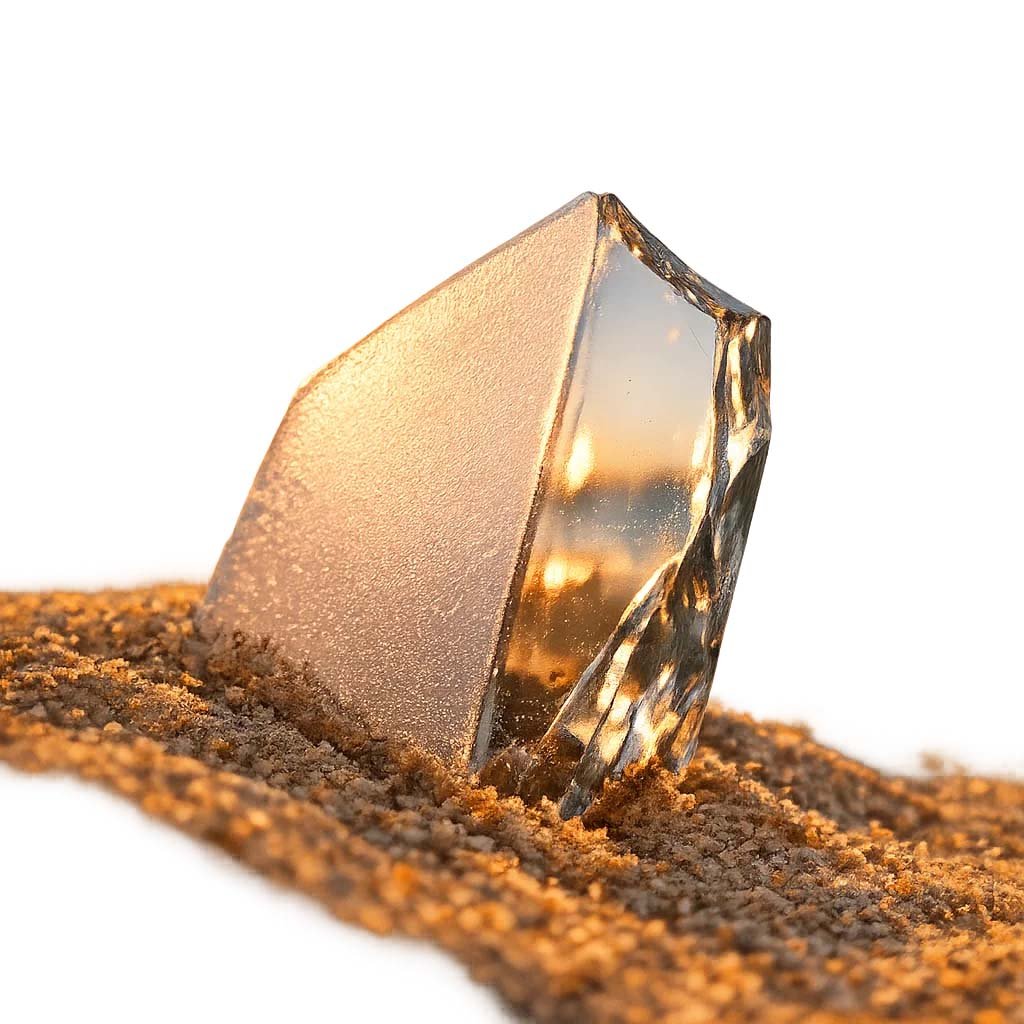
Again I find myself blinded by the light as the rift opens. This time the glass appears as two completely different shards fused together as though the potential reality reflects a duality I struggle to understand.
Can’t Sleep, Clown will Eat Me (Instrumental)
📖 Song Story
Simpsons did it!

Grandpa’s Harmonica
📖 Song Story
I inherted a banjo, a harmonica, and pan flute

The Sky is a Lie (Swedish) – Straight Beat
📖 Song Story
Sung in Swedish, Cia’s native language, a confession that water and clouds look identical when you fly low enough, and that the horizon was never telling the truth.

The Sky is a Lie (Swedish) – Atmospheric Build
📖 Song Story
Sung in Swedish, Cia’s native language, a confession that water and clouds look identical when you fly low enough, and that the horizon was never telling the truth.

The sky is a lie (Dawin Remix)
📖 Song Story
A remix of the lie we tell ourselves about the horizon, the sky and the sea blurred into one bright deception.

The Sky is a Lie (Instrumental)

Dorks Wear Speedsuits 1

Dorks Wear Speedsuits 2

Go4Launch (Heather Olsen)
📖 Song Story
All systems nominal
Can’t Wake Up Now! (Dev Yarusso)
📖 Song Story
A song about the moment the dream becomes more honest than the waking life, and the quiet fear of opening your eyes.
This is the Ride (Suck-It Mix)
📖 Song Story
Suck it Bitch
Welcome to Amsterdam (Pulse Bells)
📖 Song Story
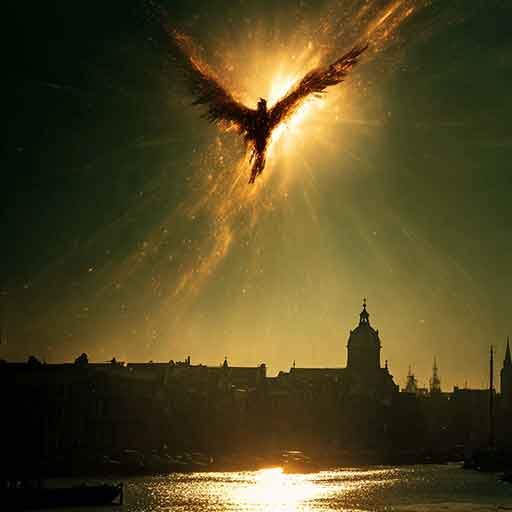
By 2006, the song had traveled so far from that first private morning that it hardly seemed possible it had once belonged to two people in a room, and then Approach Vector Icarus got hold of it and stripped away almost everything that made “Welcome to Amsterdam” recognizable as a tourist anthem. The vocals disappeared. The bright campaign polish was dissolved into pulse, echo, and repetition. What remained was the ghost of Sanne’s melody stretched across a hypnotic instrumental track that felt less like arriving in Amsterdam than remembering it through water, headlights, rain, and sleep deprivation. The remix turned the song into motion: a low electronic current under glassy synths, a rhythm that never quite hurried but never stopped, the original hook returning like a canal reflection disturbed by passing boats. It was no longer a welcome sign. It was the city after midnight, looping endlessly in the mind of someone who had once been young there and could still feel the place calling from behind the years.
Welcome to Amsterdam (Bass Driver)
📖 Song Story
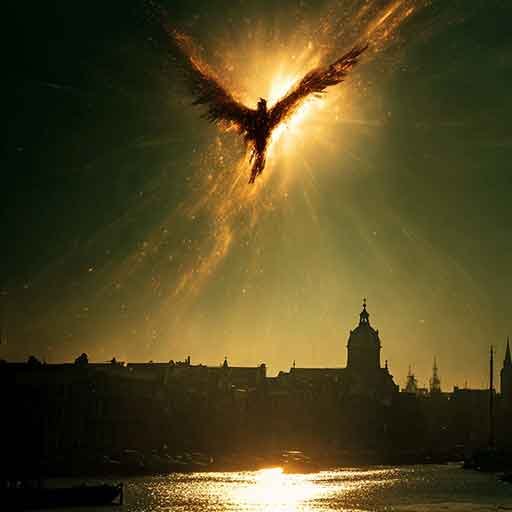
The next Approach Vector Icarus remix, “Bass Driver,” took the dream-state of the first instrumental and pushed it out of the canal mist and onto wet pavement at 2:17 a.m., turning “Welcome to Amsterdam” into something heavier, faster, and more physical. Where the earlier remix floated, this one moved with intent: a deep, rubbery bassline under the melody, not just supporting it but steering it, like a black car threading through narrow streets with the windows down and the city lights breaking across the windshield. Sanne’s original refrain was still buried in there, but now it arrived in fragments, chopped into breath, shimmer, and memory, half-recognizable before the bass swallowed it again. It was less romantic than the first remix, more dangerous, more alive, the sound of Amsterdam not as a postcard or a memory, but as a machine under your feet, humming through bridges, clubs, train tunnels, and sleepless bodies until the whole city felt like it had become the instrument.
Welcome to Amsterdam (Pulse Bells)
📖 Song Story
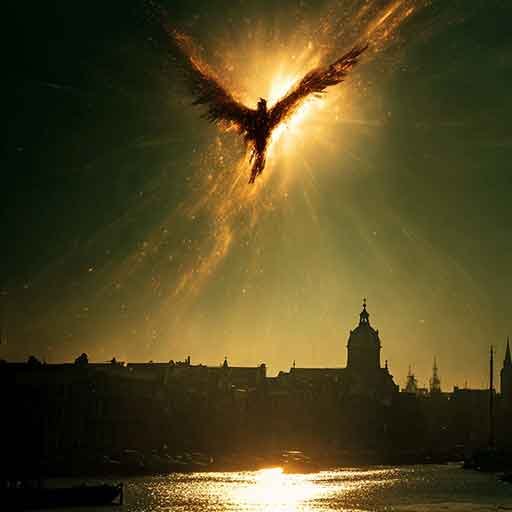
The “Chime Synth” remix took the engine of “Bass Driver” and lifted it into the air, replacing weight with shimmer, impact with suspension, and street-level momentum with something closer to bells ringing across water at sunrise. Approach Vector Icarus kept the pulse, but softened its edges, threading Sanne’s old melody through bright chiming synths that sounded like glass catching morning light over the canals. The track felt cleaner, more spacious, almost innocent compared to the darker drive of the previous mix, as if the city had exhaled after the long night and revealed its softer architecture: tram bells, bicycle chains, café cups, church towers, and the first gold wash of daylight on brick. It was still electronic, still hypnotic, but now the repetition felt less like obsession and more like memory polishing itself smooth, each chime returning to the central refrain as if Amsterdam itself were trying to remember the song before the tourists arrived.
Welcome to Amsterdam (Sanne’s Voice)
📖 Song Story
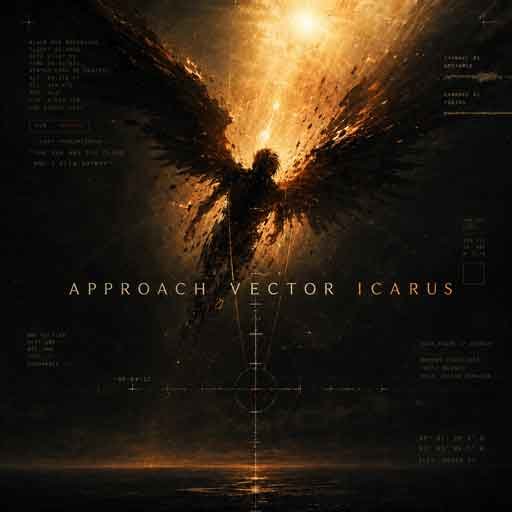
The next Approach Vector Icarus remix became the first version that felt haunted in a literal way, because after a deeper analysis of the damaged source tape, they were finally able to rescue a few usable fragments of Sanne’s voice and pull them directly into the remaster. It was not enough to restore the song as she had sung it. It was not even enough to form a full lyric. But it was enough to change everything. Against the four-note sine wave motif and the steady kick drum, her voice appeared only as small, fragile artifacts, half-breath, half-memory, like someone speaking from the other side of magnetic decay. The low percussive hits and sub-bass gave the track a slow physical gravity, while the filtered pads swelled around those recovered vocal traces as if the entire mix had been built to protect them. By Section B, the white-noise sweeps and widening delays made the song feel less like a remix and more like an excavation, each echo searching the tape for one more surviving piece of her. Then the beat fell away, the percussion faded, and the sine wave motif disappeared into silence, leaving only the sudden cello strike at the end, a single dark note that made the listener feel exactly how little had been saved, and how much that little still mattered.
Welcome to Amsterdam (Precious)
📖 Song Story
How I Met Sanne and Became Her Hofnar-Jongen
I first saw Sanne through my hotel window. I had just spent two weeks touring Europe with Smith & Nephew, co-authoring a paper on the sources of pain in tissue injuries. As a twenty-year-old undergrad with nothing better to do in the summer of 1994, I had jumped at the chance to present at major medical centers across Europe. Our final stop was Amsterdam, and I was granted one full day of freedom before my flight home the following night.
The glass remains warm and smooth. Whenever I see it, I’m drawn to it. Like Sanne, it calls to me. It must be touched.

With actual time to myself for the first time in weeks, my perspective shifted. Perhaps it was the relief, or perhaps Amsterdam truly was the most beautiful place I had ever been. Either way, when I looked outside, I saw her: the most beautiful woman I had ever seen, sitting at a cafe in the small, lush park right outside my hotel.
I initially intended to change out of my suit into something more comfortable for wandering, but I caught my reflection in the mirror. I decided the suit made me look professional, older, even. She seemed a bit older than me, and I figured any help I could get in that department would be a bonus.
I wandered down and approached her table. Out of nowhere, I decided to be incredibly forward and asked if I could join her. I spoke English. She responded in Dutch. I tried French. She shook her head. Then I tried Spanish.
That made her smile.
She said in her beautiful accent, “Why did you go to all the trouble to learn multiple languages, but not the one for the place where you travel?”
I explained that in the past two weeks, I had been through ten countries and all my French and Spanish had been of no use, especially in France.
She laughed and said, “De Fransen zijn pretentieuze klootzakken.” -The French are pretentious bastards.
I laughed and agreed.
She arched an eyebrow. “Ah, so you do understand some Dutch, then?”
“I think I understood that purely from the context,” I admitted.
“So,” she asked, “did you choose to join me because you needed my help ordering a coffee?”
I gestured toward the empty chair at her table. She nodded.
I told her, “I wanted to join you because I saw you through that window,” I pointed up toward the hotel, “and I thought you were the most beautiful person in the most beautiful park in the most beautiful city on a beautiful day. I wanted to meet you because I think I’d like to know you.”
When you have only one day for an adventure, there is little reason to be reserved, especially when you’re simply telling the truth.
She replied with a lengthy statement in Dutch that I didn’t catch at all. She paused, then asked in English, “Espresso?”
“Americano,” I said.
She smiled. “Of course.”
She said a few words in Dutch and she walked toward the counter to order. She seemed to move in slow motion. The light danced through the large trees shading the park, and little tufts of cottonwood fell slowly around her as she moved.
I caught the eye of an older couple at the next table who had been watching the whole exchange with amusement.
“Do you know what she said before she left?” I asked them.
The woman said, “She thinks you are also attractive and admires your confidence. But if she said yes to every American tourist who hit on her…”
She smiled and shrugged.
The man winked at me. “You have her interest, but she wants a man with specific talents. She wants you to impress her.”
I noticed a crate on their table overflowing with some type of fruit.
“Are those apples?”
The woman explained they were perzikrassen, peaches they had picked that morning.
Before she could elaborate, I asked, “Could I borrow three of those?”
The woman smiled and motioned for me to take my pick. I found three equally sized peaches and began to juggle them.
The man laughed, and the woman began to clap her hands with excitement.
The noise made Sanne turn around. When she saw me, her smile was beaming. She picked up the coffee and headed back, and I kept the fruit rotating in the air as she approached.
She set the cup down in front of my chair and faced me.
“Dus dat is je zet? Wil je mijn hofnarretje zijn? Mijn hofnarjongen?”
The couple kindly translated: “Do you want to be her jester?”
I nodded my thanks to them and turned to her, not missing a beat.
“Yes! I’d like to be your hofnar-jongen.” – Jester-boy.
She laughed, likely because I slaughtered the pronunciation.
“Okay, mijn hof-nar-jon-gen,” she said, carefully pronouncing it for my benefit. “Come drink your coffee and tell me about yourself and what you are doing in Amsterdam.”
I caught the fruit, handed them back to the couple, and said, “Bedankt.”
The older woman, giddy from the spectacle, waved her hand as if to say the fruit was for us. I offered one to Sanne, thanked the couple again, and sat down to a modest round of applause from the surrounding tables, including a few quiet claps from the woman who had drawn me to the park in the first place.
“So,” she asked, “do you always try to pick up women with your juggling skills?”
“Oh god, no,” I laughed. “It’s hard to think of a worse way to impress a woman than admitting you’ve spent way too much time mastering a completely worthless skill. But when life hands you perzikrassen… you make do with what you’ve got.”
She liked that and said, “Well played, mijn hofnarjongen.”
She told me her name was Sanne.
We spent hours talking in that cafe. She asked if I wanted Riesling, which I didn’t understand at first, and then explained it was “summer wine, sweet wine.”
I said I’d love some, and she waved down the waiter for a bottle. I wasn’t sure what the drinking age was, but I wasn’t about to volunteer any information that might make our age difference a deal-breaker.
We finished the bottle, and I asked if she’d like to get dinner.
She pointed to my hotel window. “That is your room?”
I nodded.
“We should go there first,” she said. “It is much better to make love with someone for the first time before the sun sets and before dinner. Shall we?”
“I would like that very much,” I replied.
“I think I will, too,” she said with a sweet smile.
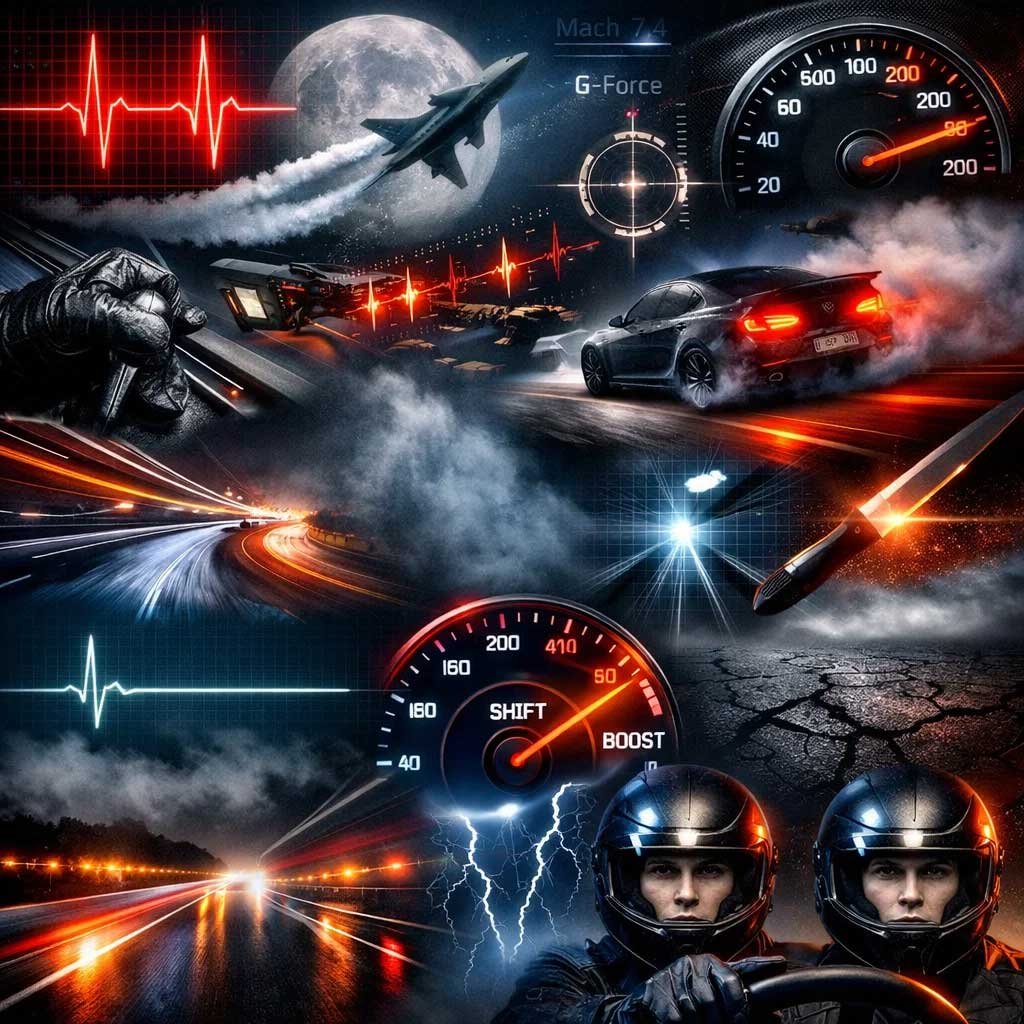

Solid-State Feat. Heather Olsen
📖 Song Story
I like this version more than mine

Instruments Not Played in Years
📖 Song Story
Every 5 years I give these oldies another go

Solid-State Heather Olsen Remix
📖 Song Story
Friction is fiction. Adrenaline addiction.
Night Drive. No Light.
This song has it all!

Solid State (Distinct)
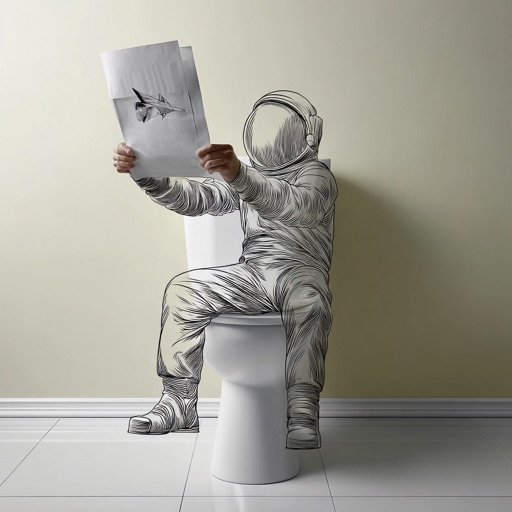
Haters & Tators (Breath & Cellos)
📖 Song Story
Breath and cellos draw the haters down to a low, mournful hum, more pity than anger in the end.
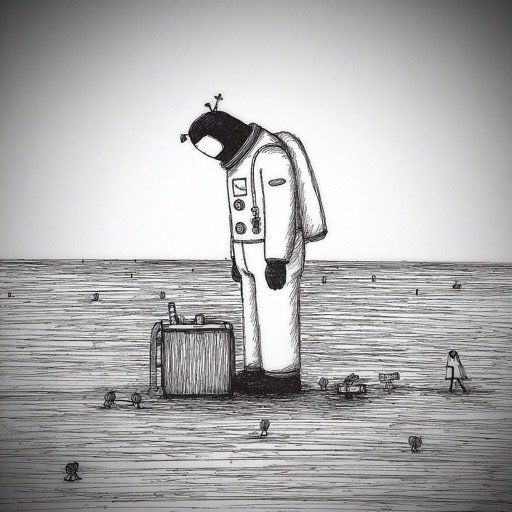
Haters & Skaters (Cruch Guitars)
📖 Song Story
Crunchy guitars turn the haters into something you can skate over at speed, distortion as the last word.
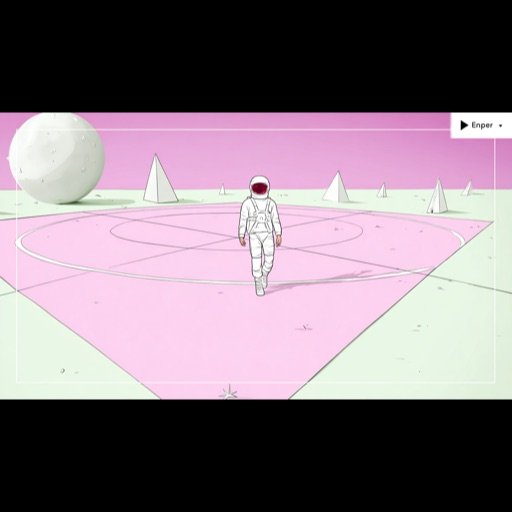
Haters & Eliminators (Strings & Bows)
📖 Song Story
Strings and bows take the lead, cutting cleanly through the chatter. The most elegant way to dismiss a critic.

Haters & Debators (Pan Flutes)
📖 Song Story
The argument rendered in pan flutes, every counterpoint answered with breath instead of spite.
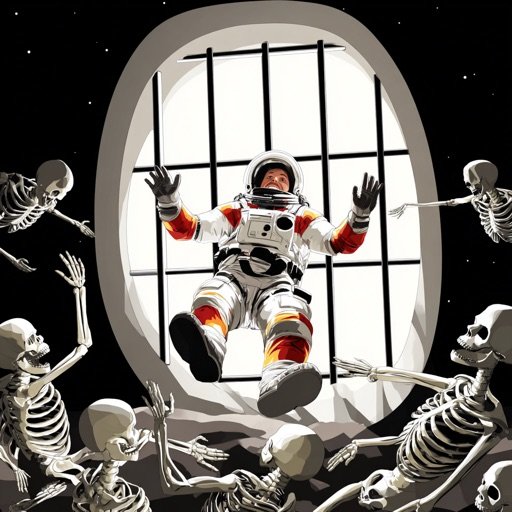
Haters & Crators (Symphony Attack)
📖 Song Story
A full symphonic charge against the noise of criticism, swinging the orchestra like a weapon and a shield at once.
Haters & Baiters (Imperial March)
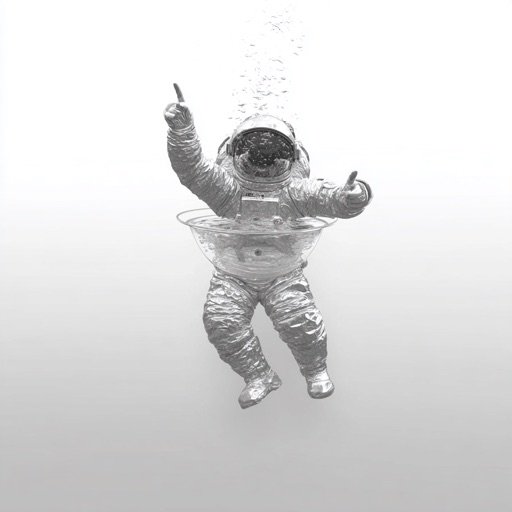
📖 Song Story
Detractors scored like an approaching empire, all pomp and menace, until you realize the march is faintly ridiculous.

Haters & Aerators (Attack of the Woodwinds)
📖 Song Story
The haters reimagined as a woodwind assault, critics turned into a chorus of reeds you can almost dance past.
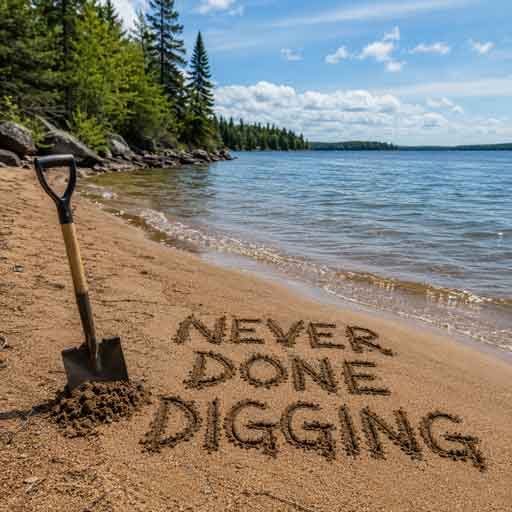
Ego Autopsy (Never Done Digging
📖 Song Story
Experimental version of Ego Autopsy

Ego Autopsy – Drunk on Funk
📖 Song Story
Dev said, “I wanna try one and make it super funky.” So, here it is.

Hey Kid (Time to Heal)
📖 Song Story
Interview: Stephan Kuslich & Dev Yarusso on Hey Kid (Breathe Slow)
Interview by Evan Hale
Hale:
This song doesn’t just feel emotional, it feels confrontational. Like it’s asking something of the listener they might not want to answer. Where does that come from?
Kuslich:
Because it is.
Most people are living a life they didn’t consciously choose. They’re just following a script that got handed to them early on, and nobody ever told them they could stop.
You’re taught to be patient.
You’re told to endure.
You’re told boredom is part of being an adult.
I don’t buy that anymore.
Hale:
You don’t think boredom is just part of life?
Kuslich:
No. I think boredom is a signal.
It’s your brain telling you something really important: “This isn’t it.”
It’s the feeling you get when you suddenly realize that life is a limited-time opportunity, and whatever you’re doing right now isn’t meaningful to you. It’s not enriching you. It’s not moving you.
And instead of listening to that signal, most people suppress it. They sit through things they don’t care about, spend time with people they don’t enjoy, consume content that does nothing for them, and call it normal.
That’s the part I reject.
Yarusso:
That idea is all over the song, even when it’s not explicitly said.
The pauses, the pacing, the restraint, it all creates space for that realization to hit. Because it’s not a loud thought. It’s a quiet one.
It’s that moment where you stop and go,
“Why am I doing this?”
Hale:
You’ve taken that philosophy pretty far in your own life.
Kuslich:
Yeah. I don’t sit through things that don’t matter to me anymore.
If I’m 30 minutes into a movie and it hasn’t moved me, I’m out.
If I’m reading a book that doesn’t spark something, I close it.
I don’t have time to waste on things that are wasting my life.
And that sounds harsh to people, but it’s actually the opposite. It’s respect. For my time. For my attention.
Hale:
Most people would say that’s impatience.
Kuslich:
That’s because we’ve been trained to think enduring boredom is a virtue.
When you’re young, people constantly tell you to be patient. To sit still. To tolerate boredom. To wait your turn even when your turn never fully materializes.
And that belief just carries into adulthood without ever being questioned.
But patience for what?
Patience for things that don’t matter to you?
Patience for experiences that don’t enrich your life?
That’s not virtue. That’s inertia.
Hale:
There’s also a pretty stark way you talk about how people spend their time.
Kuslich:
Yeah, and it’s uncomfortable, but it’s real.
The average person spends over a month every year watching reality TV and scrolling apps that are literally engineered just to hold their attention.
Thirty-one days.
Stack that up over a lifetime and… what did you get out of it?
That’s where regret comes from. Not from failure. From time spent on nothing.
Yarusso:
That’s why the song doesn’t rush.
If you rush it, it becomes another thing people passively consume. Another thing in the background.
But if you slow it down enough, it forces you to sit with yourself. And that’s where the discomfort comes in.
Hale:
Let’s go back to the core structure. Who are the two voices in this song?
Kuslich:
It’s me talking to myself.
Voice 1 is who I am now, someone who understands the cost of that mindset.
Voice 2 is who I was, ambitious, driven, chasing everything.
And the younger version isn’t wrong. He’s just missing information.
Hale:
What’s the central idea you’re trying to communicate to that younger version?
Kuslich:
That we were never obligated to live that way.
That’s the whole thing.
Not that success is bad. Not that ambition is wrong.
But that we chose a version of it that cost more than it gave back.
And we didn’t have to.
Hale:
Everyone has an in-law that annoys them but, “You don’t owe time to in-laws you can’t stand,” I’ve got a feeling this one goes deep for you.
Kuslich:
Yeah. That was the day that really woke me up. It was Thanksgiving.
I was sitting there surrounded by people obsessing over Black Friday deals in the newspaper. It was a cacophony of consumerism plotting and planning to compete with other human beings for stuff they didn’t need at slightly lower prices than a normal day.
And I just… checked out.
I found a quiet corner and started reading my iPad. Just trying to exist somewhere else mentally. And my brother-in-law comes over and tells me to put it away. Tells me to engage. To participate in this whole thing.
And something clicked.
I didn’t argue. I didn’t get defensive. I just sent him an Apple Pay request for $450.
Hale:
Seriously?
Kuslich:
Yeah. He asked what it was for. I told him, “That’s my hourly rate. The only people allowed to tell me to do something I don’t want to do, pay me to do it.”
He told me to fuck off and said he wasn’t paying me anything.
And I just said, “Fine by me,” and went back to reading.
That was the moment.
Hale:
And that changed things?
Kuslich:
Completely. All bullies are cowards and when I told him, he can’t tell me what to do, he lost his shit.
The next Thanksgiving, he tried to start a fistfight with me. And honestly, that was the best gift he could have given me.
Because now I have an irrefutable reason to skip in-law shit that used to steal my whole day. AND, it is a reason one that no one can argue with. I mean, they’ll try, but it is abusive to force someone to spend time with people who threaten them with violence, so, yeah, the argument runs out of air pretty quickly.
The firewall is impenetrable now.
Hale:
“You don’t owe patience to poison?”
Kuslich:
Yeah, that’s the fuck’n line.
People think being a good person means tolerating things that hurt them.
Why?
You don’t owe your time to people you don’t like.
You don’t owe your attention to things that don’t matter to you.
You don’t owe patience to something that’s actively making your life worse.
Hale:
The beginning of the song carries a lot of sadness. There’s a heaviness, almost a sense of hopelessness in the younger voice. How intentional was that?
Yarusso:
Very intentional.
That voice had to feel trapped. Like he’s doing everything right, everything he’s been told to do, and still feeling like it’s not enough.
It’s exhaustion. It’s that feeling of, “I’m doing everything I’m supposed to do, so why doesn’t it feel right?”
Hale:
And by the end, it flips. There’s this sense of freedom, even joy, in needing nothing. That line, “no one can leave you without leaving you be,” how do you land something that big so simply?
Yarusso:
That’s where Stephan and I really connect.
He’ll give me something like, “The fear of loss dissolves when you realize that your fear of someone leaving you always comes with them giving you freedom when they leave.”
That’s the idea.
My job is to turn that into something you can feel in one line.
So it becomes:
“without leaving you be.”
Same meaning. Just cleaner. It lets the listener feel it instead of think through it.
Hale:
So what do you hope people take away from this?
Kuslich:
I hope it makes them uncomfortable enough to ask one question:
“Why am I doing this?”
And if they’re honest with the answer… everything changes.
Yarusso:
And maybe, for the first time in a long time…
they actually stop…
…and breathe.
